
Strykr Analysis
BearishStrykr Pulse 38/100. The market is ignoring a major macro risk. Threat Level 4/5. Trade war escalation risk is rising, volatility is dangerously underpriced.
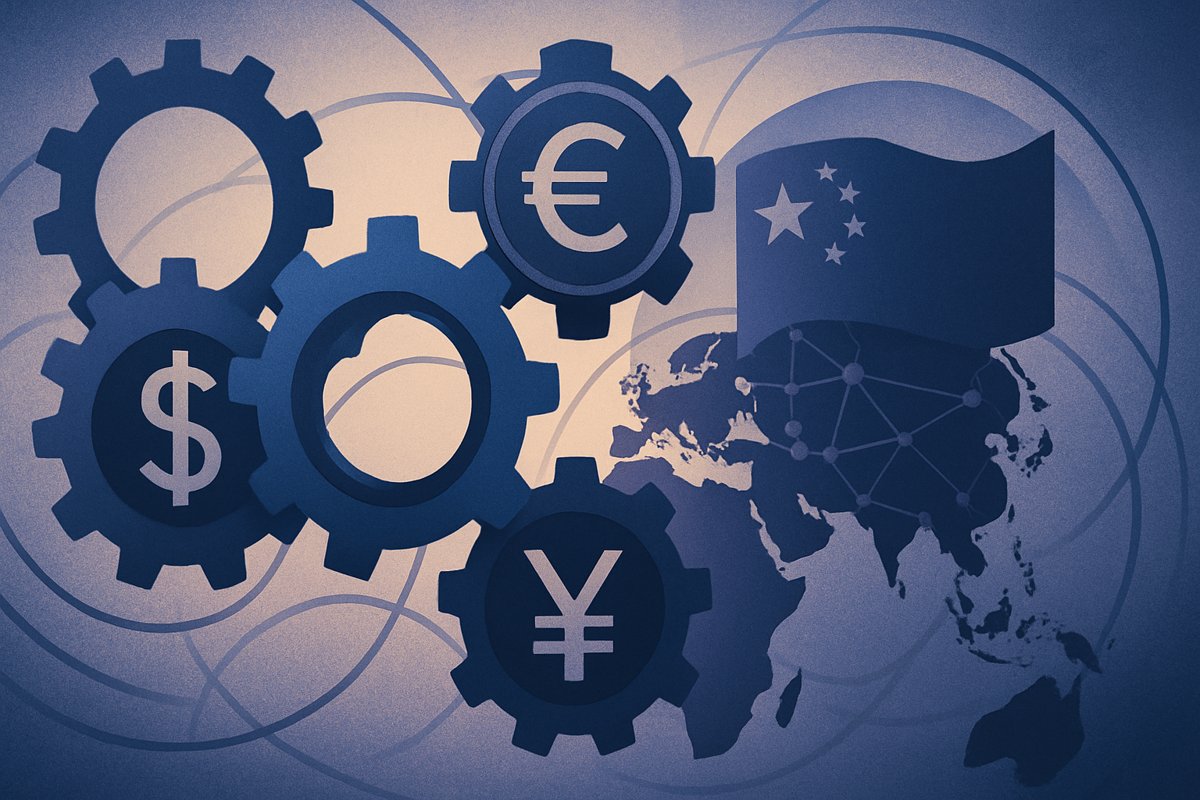
If you want to know what keeps G7 trade ministers up at night, it’s not the latest round of tariffs or even the occasional currency war. It’s the growing suspicion that the global playing field isn’t just tilted, it’s practically vertical, and the OECD just handed them the receipts. According to a bombshell report released early this morning (wsj.com, 2026-06-01), a staggering 60% of Chinese gains in global market share over the past two decades are the direct result of government subsidies. That’s not a rounding error. That’s Beijing running the table and then buying the casino.
For traders, this isn’t just another headline to scroll past before the next coffee. It’s a flashing red light for anyone exposed to global supply chains, export-driven equities, or even the euro-dollar cross. The OECD’s data is damning: Chinese companies received three to eight times more state support than their foreign competitors, and the gap is only widening. The Paris-based group didn’t mince words. The scale of the intervention is “unprecedented in modern trade history.”
The market reaction? For now, it’s a collective shrug. US and European equity futures are flat, with the tech-heavy $XLK ETF frozen at $191.01 (+0%). Commodity proxies like $DBC are similarly comatose at $29.49. But don’t mistake stasis for safety. This is the kind of macro powder keg that can sit dormant for months, then detonate with a single tweet or tariff threat.
Let’s be clear: the OECD report is more than just a data dump. It’s ammunition for policymakers already itching to escalate the global trade war. The US presidential election looms, and with it, the specter of a new round of China-bashing. Europe, facing its own manufacturing malaise, is hardly in a conciliatory mood. The timing couldn’t be worse for global risk assets. The last time trade tensions flared this hot, think 2018, the $SPY shed nearly -20% in a matter of weeks. This time, the stakes are higher: AI supply chains, green tech, and the entire EV ecosystem are now in the crosshairs.
The OECD’s findings land just as global markets are trying to shake off the hangover from March’s broad and deep selloff. According to Seeking Alpha’s May performance review, most asset classes have clawed back April’s losses, but the rally is looking tired. The equity risk premium has “effectively vanished,” as CIO Weekly put it. Translation: you’re not being paid to take risk, but you’re still taking it. That’s a dangerous setup when the macro backdrop is this combustible.
The real story here isn’t just about China. It’s about the fragility of the entire post-pandemic recovery. If Chinese subsidies are distorting global competition to this degree, what happens when the retaliation starts? Already, whispers of new tariffs are circulating in Brussels and Washington. The EU’s anti-subsidy probe into Chinese EVs is just the opening salvo. The US, meanwhile, is eyeing everything from solar panels to semiconductors. For traders, the message is simple: ignore the trade war risk at your peril.
And yet, the market’s collective insouciance is almost impressive. Maybe it’s the AI hype cycle, maybe it’s just fatigue, but risk assets are behaving as if the rules of the game haven’t changed. They have. The OECD’s data is a wake-up call for anyone betting on a smooth glide path for global equities. The next volatility spike won’t come from a Fed rate hike or a Middle East headline. It’ll come from a sudden, violent repricing of global supply chains.
Strykr Watch
Technically, the big benchmarks are stuck in neutral. $XLK is boxed between $190 and $195, with RSI drifting in the mid-50s. There’s no momentum, but also no panic, yet. $DBC is stuck at $29.49, refusing to budge despite oil’s latest rally. That’s a warning sign for anyone hoping for a commodities-led inflation hedge. The real action may come in the currency markets, where the yuan’s next move could trigger a domino effect across EMFX and even G10 pairs. Watch for any signs of capital flight or policy tightening from Beijing. If the PBOC blinks, the spillover could be brutal.
For now, the volatility indicators are eerily subdued. The VIX is hugging its lows, and cross-asset correlations are breaking down. That’s classic late-cycle behavior. When it snaps, it’ll snap hard. Keep an eye on the spread between US and European manufacturing PMIs. If the gap widens, expect the euro to weaken and European equities to underperform. The next headline risk isn’t in the economic calendar. It’s lurking in the trade policy weeds.
The bear case is straightforward: a new round of tariffs triggers a risk-off stampede. US and European exporters get hit first, but the pain quickly spreads to tech and commodities. The bull case? Policymakers blink, kick the can, and the market resumes its AI-fueled melt-up. But that’s a thin reed to lean on when the underlying imbalances are this glaring.
For traders hunting for opportunity, the best setups may be in relative value. Long US tech, short European industrials is a classic play if trade tensions escalate. On the currency side, long dollar versus EMFX could be the trade of the summer if capital starts fleeing China. For the brave, selling volatility here is tempting, but only with tight stops. The next move is likely to be violent, not gradual.
Strykr Take
The OECD just handed the market a loaded gun. The only question is who pulls the trigger first. Don’t get lulled by the current calm. This is the kind of macro regime shift that can turn a sleepy summer into a bloodbath. Position accordingly.
Sources (5)
OECD Finds 60% of Chinese Gains in Market Share Driven by Subsidies
Over the past two decades, Chinese businesses have received three to eight times more support than their competitors, according to the Paris-based res
CIO Weekly: In Search Of Breadth
The equity risk premium has effectively vanished. While it is a signal worth heeding, it is not cause for immediate alarm, particularly for portfolios
Column: why markets seem unfazed by the US-Iran conflict
How important is the war between the US and Iran to investors? Looking at the financial markets, it would appear that it's not important at all.
Fed's Powell warns Trump's political 'stress test' will wreck public trust in central bank
Outgoing Fed chair Jerome Powell said the U.S. central banks is undergoing a "stress test" from the Trump administration. Powell warned that "democrat
Major Asset Classes: May 2026 Performance Review
Most markets continued to rise in May, extending April's bounceback after March's broad and deep selloff, based on a set of ETFs. US stocks led the ra