
Strykr Analysis
BearishStrykr Pulse 38/100. Sentiment is deeply negative, with technical and psychological support breaking down. Threat Level 4/5. Risk of further downside is high as volatility remains underpriced.
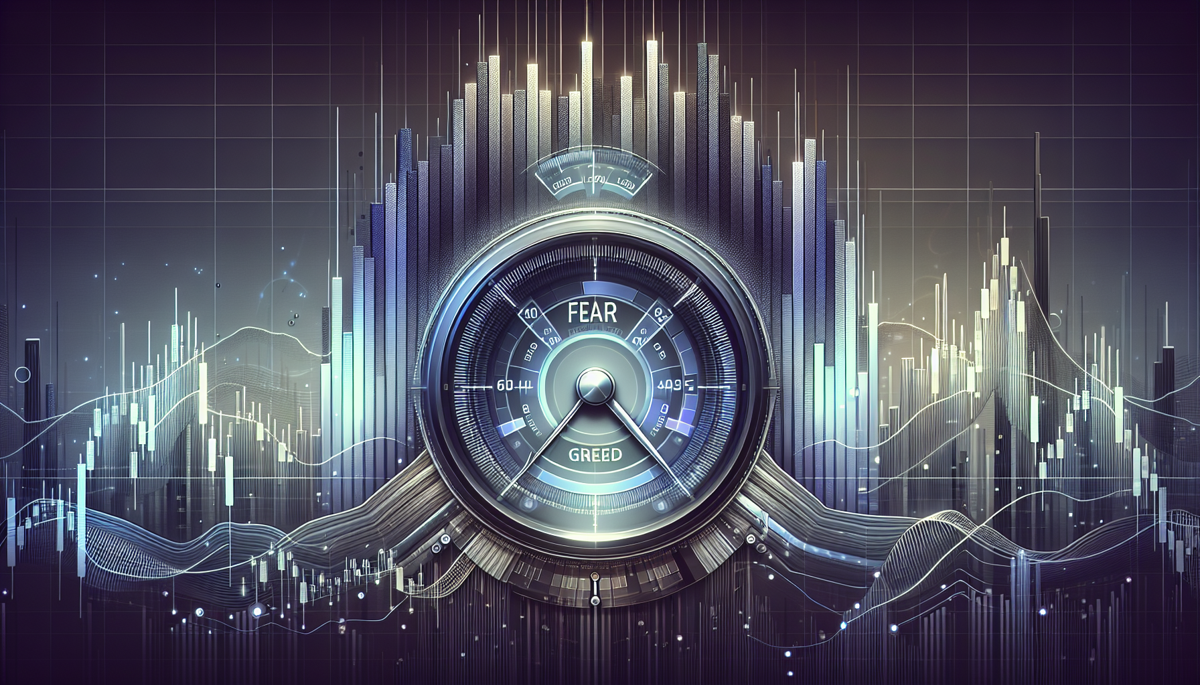
There’s a certain poetic justice when the market’s so-called “Fear and Greed” index becomes the most honest thing on Wall Street. On February 6, as the Dow tumbled almost 600 points amid a barrage of weak earnings, investor sentiment didn’t just sour, it curdled. The CNN Money Fear and Greed Index, that much-memed gauge of market nerves, slipped deeper into its 'Fear' zone, confirming what every trader already felt in their bones: the risk-on party is over, at least for now.
The numbers are stark. The Dow’s nearly 600-point drop wasn’t just a blip. It was the exclamation point on a week that saw tech stocks unravel, Asian equities get steamrolled by AI capex panic, and even the mighty Nasdaq E-mini futures flirting dangerously with their 200-day moving average. The selloff, fueled by disappointing earnings from Amazon and others, has left sentiment in tatters. According to Benzinga, the decline in the Greed Index is the sharpest since the mini-crisis of 2023, and the mood among traders is as risk-averse as it’s been in years.
But here’s the real story: this isn’t just about a few bad earnings reports or a fleeting macro scare. What we’re witnessing is a wholesale repricing of risk across asset classes, triggered by a potent cocktail of AI disillusionment, cross-asset volatility, and policy uncertainty. The old playbook, buy the dip, trust the Fed, ride the AI wave, isn’t working. Algos are no longer your friend. They’re your counterparty, and they’re not in a forgiving mood.
Let’s lay out the timeline. The week began with optimism, tech stocks had weathered worse, and the AI narrative still had some juice. But as earnings rolled in, the cracks started to show. Amazon’s after-hours selloff, triggered by a massive AI spending spree, set the tone. By Thursday, the Dow was in freefall, and the Fear and Greed Index was flashing red. The selloff spread to Asia, where South Korean and Indonesian equities took a beating, and even the so-called “anti-AI” markets like India and Brazil started to look wobbly. Meanwhile, the Nasdaq E-mini futures tested their 200-day moving average, a technical line in the sand that has historically separated bull markets from bear traps.
The context is even more sobering. This isn’t just a US story. The AI capex panic is global, with Asian regulators halting trading to stem the bleeding and European markets showing signs of contagion. The old safe havens, utilities, banks, even gold, are no longer immune. The cross-asset volatility is palpable, and the usual correlations are breaking down. The S&P 500’s volatility index (VIX) remains stubbornly low, but under the surface, realized volatility is spiking. The market is nervous, and for good reason.
What’s driving the fear? Part of it is macro. The Fed held rates steady, but policy uncertainty remains high. Traders are no longer sure if the next move is a cut, a hike, or just more jawboning. The AI narrative, once the market’s favorite crutch, is now a source of anxiety. Companies are spending billions on infrastructure with no clear path to profitability, and investors are starting to wonder if the juice is worth the squeeze. Meanwhile, cross-asset flows are erratic, with money rotating out of tech and into cash, short-duration bonds, and even, gasp, commodities.
But the real driver is psychology. The Fear and Greed Index isn’t just a meme. It’s a mirror. When it flashes red, it means traders are selling first and asking questions later. The risk-off trade is back, and it’s not just retail panicking. Institutional desks are de-risking, cutting exposure, and raising cash. The old market adage, “don’t fight the Fed”, has been replaced by “don’t fight the tape.” And right now, the tape is ugly.
Strykr Watch
Technically, the market is at a crossroads. The Dow’s 600-point drop puts it below key support, with the next major level at 37,000. The Nasdaq E-mini futures are clinging to their 200-day moving average, a break below which could trigger a fresh wave of selling. The S&P 500 is flirting with its own support at 4,900, while the VIX remains deceptively calm at 17. Under the surface, breadth is deteriorating, with fewer stocks participating in rallies and more making new lows. For traders, the signals are clear: watch the 200-day moving averages, monitor breadth, and don’t get lulled into complacency by a low VIX. The next move could be violent.
The risks are obvious, but worth spelling out. A Fed hawkish surprise could trigger a fresh selloff, especially if inflation data comes in hot. Earnings misses from other tech giants could accelerate the decline, while a break below the Nasdaq’s 200-day moving average would be a technical death knell for bulls. Policy uncertainty, both in the US and abroad, remains high, and any hint of regulatory crackdown on AI or tech could send sentiment into a tailspin. In short, the downside risks are real, and traders need to stay nimble.
But with fear comes opportunity. For contrarians, this is the moment to start building positions in quality names that have been unfairly punished. Look for oversold conditions, wide bid-ask spreads, and panic selling that creates value. The VIX may be low, but realized volatility is high, perfect conditions for options strategies that profit from sudden spikes. For the brave, selling puts on blue-chip names at key support levels could be a way to capture premium while positioning for a rebound. Just don’t get greedy, the market isn’t in the mood.
Strykr Take
The market’s fear gauge is flashing red for a reason. Sentiment is broken, and the old narratives no longer work. But for traders who can keep their heads, this is a target-rich environment. Stay disciplined, watch your levels, and don’t let the algos shake you out. The next big move will come when everyone least expects it.
Sources (5)
Wall St Week Ahead Tech stock shakeout clouds market ahead of economic data deluge
An artificial intelligence-driven shakeout in the heavyweight technology sector is set to keep stock investors on edge in the coming week while a barr
Private Markets' AI Panic: When ‘Recurring Revenue' Isn't
Investors are turning skeptical of private equity and loans premised on supposedly predictable results.
Nasdaq Index: E-mini Futures Eye 200-Day Moving Average as Tech Stocks Struggle
Tech stocks drag US indices today as Nasdaq 100 futures test the 200-day moving average, raising concerns over deeper losses in the stock market.
Jim Cramer: Why South Korea is the "hottest market" globally
Jim Cramer explains why South Korea is the hottest market in the world. Samsung and SK Hynix listened when Jensen Huang warned about a memory shortage
Stock Market Today: Nasdaq Futures Slip; Bitcoin Steadies
Amazon in focus after huge AI spending increase prompts afterhours selloff