
Strykr Analysis
BearishStrykr Pulse 41/100. Technicals deteriorating, macro risks rising. Threat Level 4/5. Volatility spike likely.
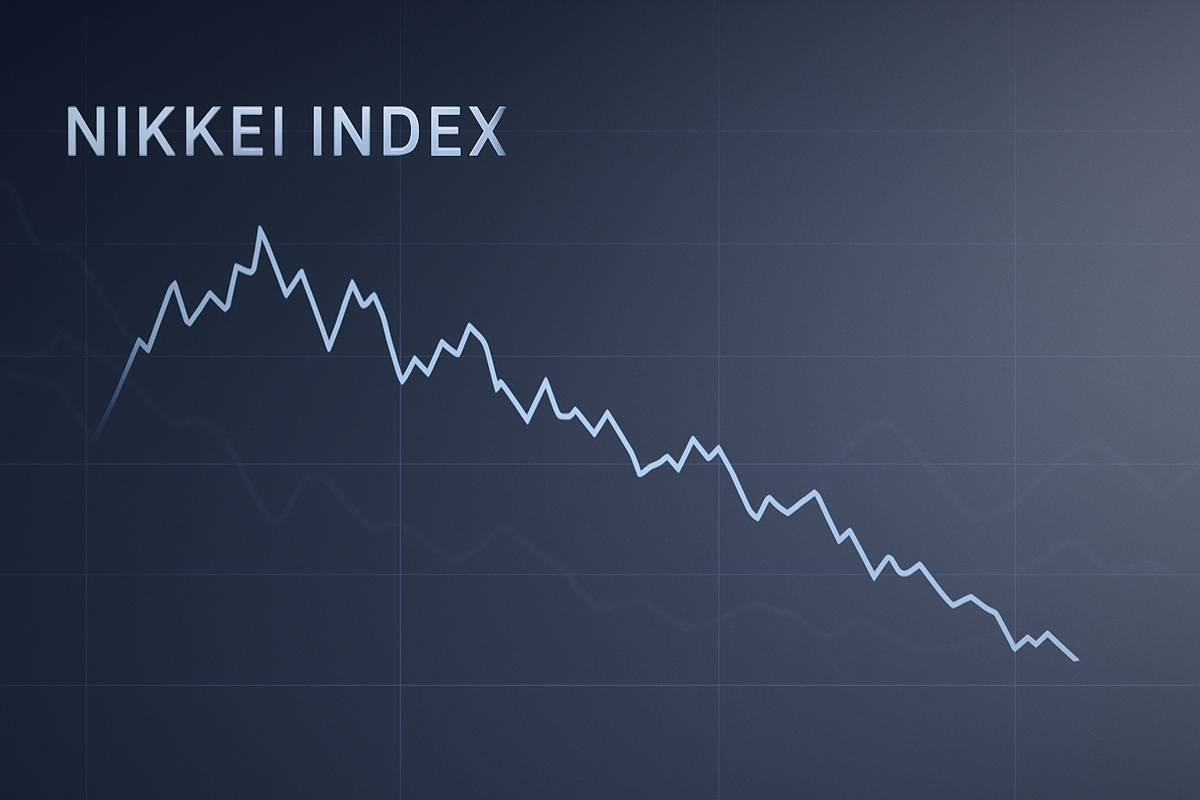
If you want to see what happens when the world’s most crowded trades run into a geopolitical buzzsaw, look no further than the Nikkei’s 1.2% drop overnight. Japanese equities, especially tech and metals, just got a front-row seat to the volatility show as Iran tensions and energy cost spikes returned to the headlines. The Nikkei’s slide isn’t just a local story, it’s a warning shot for global risk assets that have been sleepwalking through a minefield of macro risks.
The selloff started in Tokyo as traders digested a fresh round of headlines about the Iran conflict and the knock-on effects for energy prices. Tech names, which have been the darlings of the post-pandemic rally, led the charge lower. Metals stocks followed, as supply chain fears resurfaced. The Nikkei closed down 1.2%, its worst session in weeks, with the pain concentrated in the sectors that have powered the index to multi-decade highs. According to WSJ, the move was driven by a combination of geopolitical jitters and renewed anxiety over energy costs, a toxic cocktail for a market that’s been priced for perfection.
Let’s be clear: this isn’t just about Japan. The Nikkei’s stumble is a canary in the coal mine for global equities. The cross-asset correlations are starting to break down, with tech stocks in the US and Europe showing signs of fatigue. The AI trade, which has been the engine of this year’s rally, is running into resistance as valuations stretch and macro risks multiply. Meanwhile, energy prices are refusing to cooperate, with China’s gasoline price cuts highlighting the fragility of demand and the risk of a broader slowdown. The Nikkei’s drop is a reminder that the world’s risk-on party is running on borrowed time.
Historically, Japanese equities have been a bellwether for global risk appetite. When the Nikkei stumbles, it’s usually a sign that something is breaking under the surface. The last time we saw a similar move, it was followed by a spike in global volatility and a rotation out of crowded trades. The current setup is eerily similar: tech and metals are over-owned, energy prices are rising, and geopolitical risks are back on the front page. The market is primed for a volatility shock, and the Nikkei’s 1.2% drop could be the spark that lights the fuse.
The technical picture is deteriorating. The Nikkei has broken below its 20-day moving average, with the next support at the 50-day. Tech and metals stocks are leading the way lower, with momentum rolling over and breadth deteriorating. The volatility index is ticking up, and the risk of a larger correction is rising. If the Nikkei fails to hold its next support, the door is open for a fast move lower, and global markets are unlikely to be immune.
The macro backdrop is no less precarious. The Iran conflict is a wildcard, with energy prices at the mercy of headlines. China’s gasoline price cuts are a sign that demand is weakening, which could spill over into global growth. The AI trade is looking tired, with IPOs and hard assets starting to attract flows. The market is caught between a rock and a hard place: rising geopolitical risks and a rotation out of the trades that have driven returns all year. The Nikkei’s drop is a warning that the risk-on regime is wobbling.
Strykr Watch
For traders, the Nikkei’s technical setup is a flashing yellow light. The index has broken below its 20-day moving average, with the 50-day as the next key level. Watch for a bounce, if it fails, the risk of a deeper correction rises. Tech and metals stocks are the canaries here: if they continue to underperform, expect volatility to spill over into global equities. The volatility index is rising, and the risk-reward is shifting in favor of defensive positioning. Keep an eye on energy prices and geopolitical headlines, they are the catalysts for the next move.
The risk is that the Nikkei’s drop is just the beginning. If energy prices spike or the Iran conflict escalates, global equities could see a sharp correction. The AI trade is crowded, and a rotation out of tech could accelerate the move. The opportunity is in playing the volatility: short crowded trades, hedge with volatility products, and look for entry points in defensive sectors. The market is primed for a shakeout, and the Nikkei is leading the way.
The risks are clear. If the Nikkei fails to hold its 50-day moving average, the selling could accelerate. Energy prices are a wildcard, and geopolitical risks are rising. The AI trade is crowded, and a rotation out of tech could trigger a broader correction. But the opportunity is in being nimble: play the volatility, hedge your risk, and look for entry points when the dust settles.
For traders, the setup is about managing risk and playing the volatility. Short tech and metals on rallies, hedge with volatility products, and look for entry points in defensive sectors. The market is primed for a correction, and the Nikkei is your early warning system.
Strykr Take
The Nikkei’s 1.2% drop is a wake-up call for global markets. The risk-on regime is wobbling, and the catalysts for a volatility shock are in place. If you’re not hedged, you’re a target. This is a market that rewards nimble traders and punishes complacency. The next move will be fast and furious, make sure you’re on the right side of it.
Sources (5)
Italy's Del Vecchio heirs reach provisional agreement to settle inheritance dispute, sources say
Two heirs of late Ray-Ban billionaire Leonardo Del Vecchio have reached a provisional agreement to settle an inheritance dispute and drop cross-lawsu
China to cut domestic retail gasoline, diesel prices from June 5
China will lower domestic retail price caps on gasoline and diesel from Friday in its second cut since the beginning of the Iran war, which has const
Partners Group Warns Evergreen Funds Will Slow Assets Under Management Growth
The company expects overall assets under management growth to slow, dragged by investor demand to get money back from a flagship private markets platf
Swiss Inflation Holds Steady Ahead of SNB Meeting
Swiss inflation was unchanged in May, reinforcing the view that the Swiss National Bank is unlikely to raise interest rates later this month.
Energy Crisis, Rising Geopolitical Risk, And AI Momentum Headwinds
Energy Crisis, Rising Geopolitical Risk, And AI Momentum Headwinds