
Strykr Analysis
NeutralStrykr Pulse 54/100. Market is dead flat, risk premium gone. Innovation is capping upside. Threat Level 2/5.
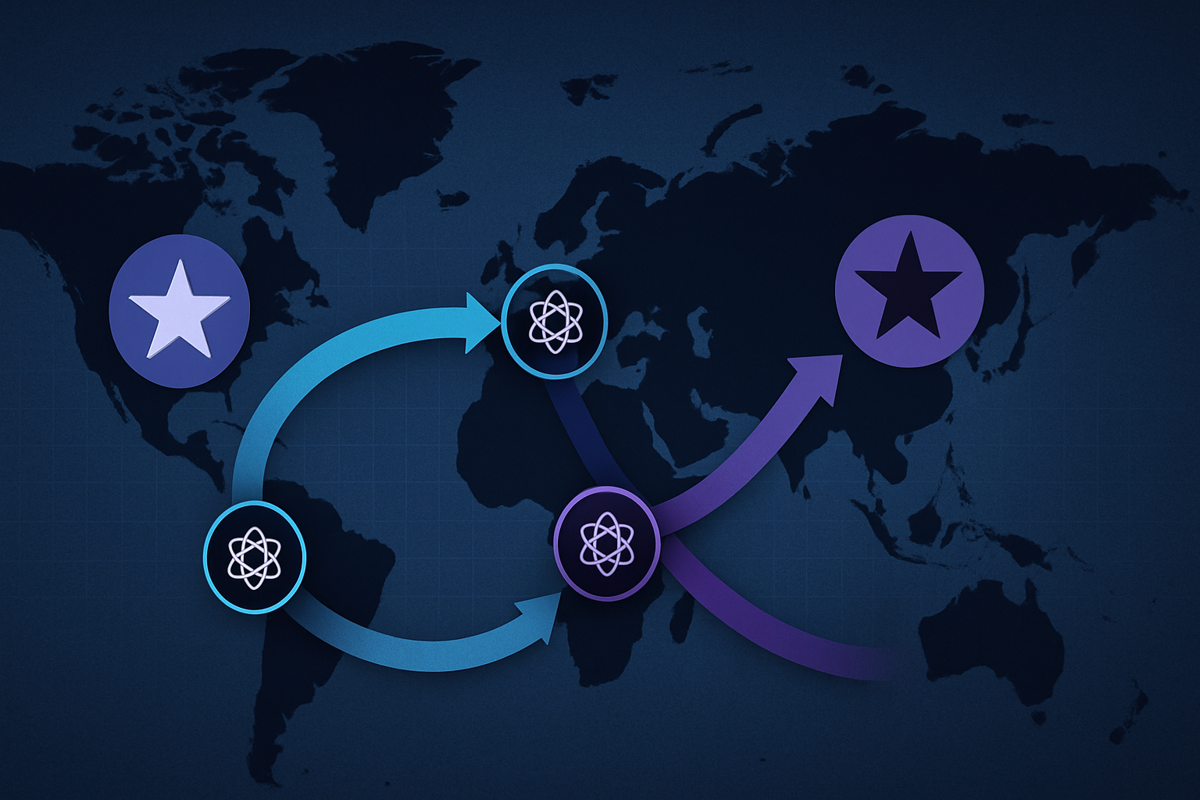
The rare earths narrative has always been a geopolitical thriller: Beijing squeezes, the West panics, and prices spike. But in 2026, the script is flipping. This week, as reported by the Wall Street Journal (2026-06-02), Western companies are openly questioning whether the world really needs Chinese rare earths at all. The reason? Years of supply chain stress have forced innovation, and now, for the first time in decades, new products and alternative sources are coming online at scale.
For traders who have been conditioned to buy every China supply scare, this is a paradigm shift. The DBC commodity ETF is dead flat at $30.015, a level it’s hugged for days. No panic, no euphoria, just a market that refuses to play the old game. The Strait of Hormuz remains closed, creating the biggest energy shock since 1973 (Seeking Alpha, 2026-06-02), yet the commodity complex is eerily calm. The usual correlation between oil, metals, and rare earths is breaking down.
Let’s get granular. Beijing’s latest move to restrict rare earth exports was supposed to be a masterstroke. Instead, it’s catalyzed a wave of substitution and recycling innovation in the West. U.S. and European firms are rolling out batteries and magnets that use less, or even zero, Chinese rare earth content. The market, once addicted to every headline out of Inner Mongolia, is now looking elsewhere for its next trade.
The facts are stubborn. DBC, the broad commodities ETF, has shown zero reaction to the latest round of Chinese saber-rattling. The price is locked at $30.015, with volume at multi-month lows. The last time China tried to weaponize rare earths, prices spiked 40% in a month. This time? Crickets. The market is calling Beijing’s bluff, and so far, it’s winning.
The context is critical. The global energy shock from the Strait of Hormuz closure has removed over 10 million barrels per day from the market, yet commodities are barely budging. This is not 1973. The world has more supply redundancy, more storage, and, crucially, more innovation. The rare earths story is emblematic of this new reality. Western firms, burned by years of supply shocks, have invested billions in alternative technologies. Now, those bets are paying off.
For the macro crowd, this is a warning shot. The old playbook, buy commodities on China risk, isn’t working. The market is pricing in a future where supply shocks are met with innovation, not panic. That’s a sea change for anyone still trading off the 2010s script.
The analysis is stark. If China can’t weaponize rare earths, its leverage over Western supply chains is diminished. That has profound implications for everything from EVs to defense. The market’s muted response is telling you that the risk premium is gone. For traders, this means the easy money on rare earths is over. The new edge is in spotting which companies are leading the substitution race.
Strykr Watch
Technically, DBC is in a coma. The $30.015 level is acting as a gravity well, with no sign of breakout or breakdown. The 200-day moving average is flat at $30.10, and RSI is a sleep-inducing 48. The volatility index for commodities is at a 12-month low, and options volume is non-existent. If you’re looking for a technical catalyst, you’ll be waiting a while. The market is telling you to look elsewhere for action.
But don’t mistake calm for safety. If Beijing escalates, or if a Western supplier stumbles, the market could wake up fast. For now, though, the risk is asymmetric: more likely a grind than a spike.
The bear case is that innovation has permanently capped rare earths’ upside. The bull case is that the market is complacent, and a real supply shock is still possible. For now, the tape says “wait and see.”
The risk is that traders are underestimating the potential for a real disruption. If China gets desperate, or if a new technology fails at scale, the complacency could turn to panic. But with the current setup, the odds favor more of the same: boredom punctuated by occasional headlines.
The opportunity? Look for companies that are leading the substitution game. The easy trade on DBC is gone, but the next wave of winners will be the firms that make rare earths irrelevant.
Strykr Take
The rare earths panic trade is dead, at least for now. The market has moved on, and so should you. The real story is innovation, not supply risk. For traders, the edge is in picking the next generation of materials companies, not chasing yesterday’s headlines. Stay alert, but don’t force trades in a market that’s telling you to wait.
Sources (5)
Trump signs AI executive order asking companies to give government early access to models
Trump signs AI executive order asking companies to give government early access to models
Does the World Need Chinese Rare Earths? Not Necessarily, Say These Companies
Beijing's move to choke off the supply spurred companies to develop new products that could potentially circumvent Chinese sources.
Iran: 'Waiting For Godot'
The ongoing closure of the Strait of Hormuz has created the largest global energy shock since 1973, with over 10 million barrels per day offline. Mark
Is the stock market in an AI bubble? A recent warning sign suggests yes
Are we in an AI bubble, similar to the dot-com bubble that burst in the early 2000s? Stock market analysts have been sounding the warning bells for th
Top CEOs brace for downturn, warn US economy will worsen in next 6 months
CEO confidence plummeted from a reading of 59 to 47 in just one quarter, as corporate leaders report worsening economic conditions and shrinking hirin