
Strykr Analysis
BearishStrykr Pulse 38/100. Sector-wide technical breakdown, relentless selling, and macro headwinds. Threat Level 4/5.
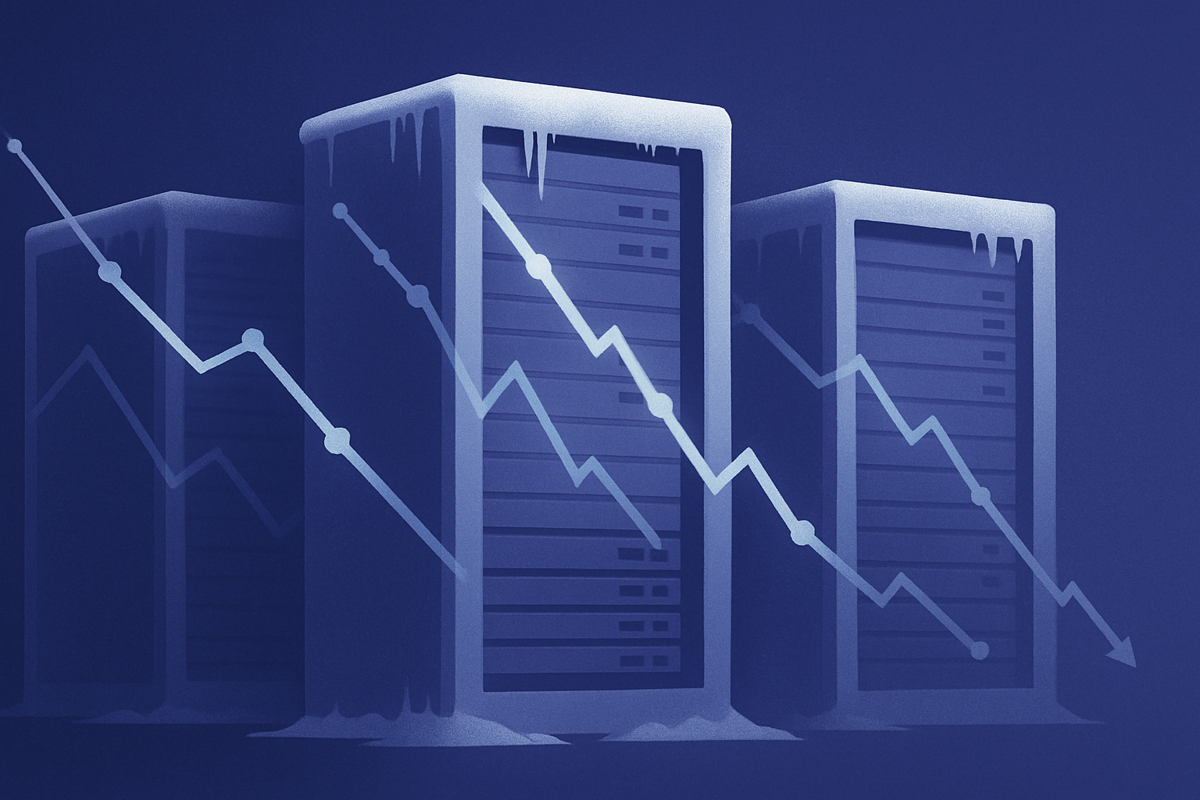
If you’re looking for a case study in how the market can punish an entire sector for sins real or imagined, look no further than the current SaaS meltdown. The numbers are ugly, the sentiment is worse, and if you’re hoping for a quick turnaround, you might want to grab a chair. Despite a parade of Q1 earnings beats, software stocks are being marked down with a vengeance not seen since the ashes of the 2008 crisis. The so-called 'SaaS-pocalypse' is in full swing, and the market is acting like every cloud stock is hiding a Lehman moment in its balance sheet.
Let’s set the scene: Over the past quarter, software names have seen their valuations crater to levels not witnessed in more than 15 years. This is not hyperbole. According to Seeking Alpha’s latest coverage, the sector’s forward EV/Sales multiples are now scraping the bottom of the post-dotcom barrel, with many high-flyers trading at discounts that would have made 2011’s value investors blush. The selloff has been relentless, with even the likes of ServiceNow, Salesforce, and Adobe seeing double-digit drawdowns, despite reporting revenue beats and raising guidance. It’s as if the market has collectively decided that growth is dead, margins are a mirage, and AI is just a fancy way to burn cash.
So what’s driving this carnage? Start with the macro backdrop. The May jobs report came in scorching hot, with economist Steve Moore declaring the US economy 'hotter than the NY Knicks.' That’s great for Main Street, less so for rate-sensitive tech stocks. Surging Treasury yields have become the market’s new boogeyman, and every uptick in the 10-year is another nail in the SaaS coffin. The NASDAQ and SOX both took it on the chin Friday, with volatility spiking as algos tripped over themselves to get out of crowded growth trades. The result: a sector-wide markdown that’s left even the most bullish analysts searching for a floor.
There’s also the not-so-small matter of investor psychology. After years of 'growth at any price,' the market is now demanding profits, not promises. The AI hype cycle has cooled, and the realization is setting in that not every SaaS company is going to mint money from generative models. Add in a whiff of regulatory scrutiny and a handful of high-profile executive departures, and you’ve got a recipe for a full-blown sentiment reset. The fact that software earnings have actually been solid only adds to the absurdity. This isn’t about fundamentals, it’s about positioning, leverage, and a market that’s decided to hit the eject button.
Historically, software stocks have been the ultimate duration trade, betting on future cash flows in a low-rate world. But with the Fed showing no signs of pivoting, and inflation headlines still spooking the tape, the risk premium for unprofitable growth has exploded. The last time we saw a similar rerating was in the aftermath of the dotcom bust, when entire business models were marked to zero. We’re not there yet, but the parallels are hard to ignore. The current drawdown has already erased more than $400 billion in market cap from the sector’s top names, and the technicals are a mess. Moving averages have rolled over, RSI readings are stuck in oversold territory, and every bounce is being sold with both hands.
Cross-asset correlations aren’t helping either. With commodities flatlining and global equities stuck in a holding pattern, there’s nowhere to hide. Even defensive sectors like healthcare and utilities are seeing outflows, as investors rotate into cash and short-term Treasuries. The result is a market that feels fragile, jittery, and prone to headline-driven swings. If you’re a SaaS bull, you’re fighting not just the tape, but a macro regime that’s actively hostile to your thesis.
The real story here is that the market is repricing risk in real time, and software is the collateral damage. The days of 20x sales multiples are over, at least for now. The question is whether this is a healthy reset or the start of something nastier. On the one hand, lower valuations could set the stage for a wave of M&A, as cash-rich strategics look to scoop up bargains. On the other, if rates stay elevated and growth disappoints, there’s nothing to stop another leg down. The technicals suggest more pain ahead, with key support levels breaking and no obvious catalysts on the horizon.
Strykr Watch
From a technical perspective, the sector is in freefall. The iShares Expanded Tech-Software ETF, a broad proxy for SaaS, has sliced through its 200-day moving average like a hot knife through butter. Key support at $210 is gone, and the next real floor sits closer to $190, a level not seen since the 2022 bear market lows. RSI is flashing oversold, but that’s cold comfort when every bounce gets sold. Volume has spiked on down days, a classic sign of institutional capitulation. If you’re looking for a reversal, you want to see a high-volume flush followed by a sharp reversal candle. So far, the tape is giving you neither.
Option flows are equally grim. Put volumes have exploded, with traders betting on further downside. Implied volatility is elevated, but not at panic levels. That suggests there’s still room for a real washout if the macro backdrop deteriorates further. Watch for a spike in VIX north of 25 as a signal that the bottoming process is underway. Until then, the path of least resistance is lower.
What could go wrong from here? Start with the obvious: another hot inflation print, a hawkish Fed surprise, or a geopolitical shock that sends yields screaming higher. Any of these could trigger another round of forced selling. On the flip side, a dovish pivot or a surprise M&A announcement could spark a face-ripping rally. But until the market sees a reason to believe in sustainable growth, the burden of proof is on the bulls.
The opportunity set is narrow, but not nonexistent. For the brave, this is a chance to pick up quality names at decade-low valuations. Look for companies with fortress balance sheets, recurring revenue, and a clear path to profitability. Set tight stops and be prepared to cut losers quickly. The risk/reward skews negative, but that’s often when the best trades emerge. Just don’t expect a V-shaped recovery, this is a market that rewards patience, discipline, and a healthy respect for downside risk.
Strykr Take
The SaaS sector is in the penalty box, and it’s going to take more than a few earnings beats to get out. The market wants profits, not promises, and until that changes, software stocks will remain under pressure. For traders, the playbook is simple: respect the trend, manage your risk, and don’t try to catch falling knives. When the reversal comes, it will be violent, but for now, the pain trade is lower. Strykr Pulse 38/100. Threat Level 4/5.
Sources (5)
'HOTTER THAN THE NY KNICKS': Steve Moore praises US economy
Economist Steve Moore discusses the latest May jobs report, U.S. economic strength and the impact of President Donald Trump's pro-business policies on
Fall in Hungary's inflation, risk premia likely lowered required rate level, central banker says
A fall in Hungary's inflation and risk premia has likely lowered the interest rate level needed for price stability, but the central bank must tread
This Market Selloff Isn't Exhausted Yet: 3-Minutes MLIV
Anna Edwards, Lizzy Burden and Mark Cudmore break down today's key themes for analysts and investors on "Bloomberg: The Opening Trade." Chapters: 00:0
German Factory Orders Fell Back in April
German manufacturing orders dropped in April, reversing some of the gains in March that came on the back of stock building after the outbreak of the w
A Critical Week For The Markets Ahead
Markets face a pivotal week after a strong jobs report, surging yields, and a sharp NASDAQ and SOX selloff on Friday signalled heightened volatility.