
Strykr Analysis
BearishStrykr Pulse 38/100. Forced selling and geopolitical risk are a toxic mix, with little relief in sight. Threat Level 4/5. The risk of a liquidation cascade is high, and the Fed is boxed in.
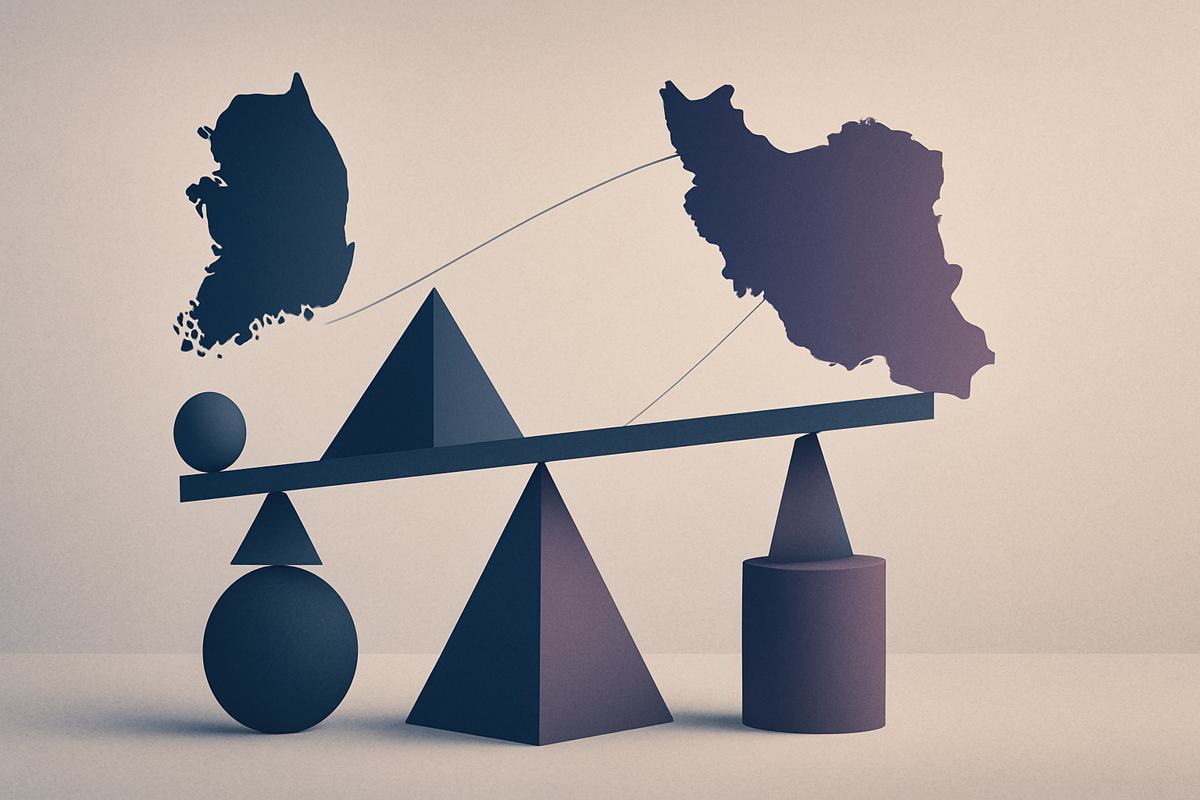
If you thought the market had run out of black swans, think again. The past 24 hours delivered a double helping of chaos, courtesy of South Korea’s forced deleveraging and Iran’s latest Middle East escalation. The result? A global equity market suddenly looking like it’s standing on a trapdoor, with traders scrambling for cover as correlations spike and risk models get shredded in real time.
Let’s start with the facts. According to Seeking Alpha and Invezz, recent market turmoil has been driven by a one-two punch: South Korean institutions are unwinding leverage at a pace not seen since the Archegos debacle, while Iran’s saber-rattling in the Middle East has sent energy prices surging and volatility through the roof. The Dow dropped 334 points, with chip stocks leading the rout as traders bailed on anything remotely cyclical. The S&P 500, which had been sleepwalking near all-time highs, is now wobbling as the market digests the prospect of higher-for-longer inflation and a Federal Reserve boxed in by the data.
The timeline is brutal. South Korean funds, facing margin calls and regulatory scrutiny, have been dumping US tech and emerging market equities to shore up liquidity. This isn’t just a local issue. Korean pension and sovereign funds are some of the largest cross-border players in US and European equities. When they sell, the ripple effects are global. The Iran angle is equally disruptive. With the US-Iran war keeping crude oil prices elevated, headline inflation hit 4.2% in May, the highest in three years, according to MarketWatch and YouTube reports. The Consumer Price Index is now the last major data point before Kevin Warsh’s first Fed meeting, and it’s a doozy. Core CPI softened, but the headline number is what matters for rate expectations, and it’s ugly.
The broader context is a market that’s been lulled into complacency by a year of low realized volatility and relentless dip-buying. The S&P 500’s flat tape masked a powder keg of cross-asset stress. Now, with South Korea and Iran lighting the fuse, correlations are snapping back to crisis mode. The chip sector, already reeling from supply chain shocks, is getting hammered as risk-off flows accelerate. The Bank of Canada, sensing the danger, held rates at 2.25% and issued a rare warning about letting energy prices become “persistent inflation.” The message is clear: central banks are worried, and traders should be too.
Historically, double shocks like this have a way of exposing hidden leverage and fragility. The Archegos blowup in 2021 was a wake-up call for how quickly cross-border deleveraging can cascade through global markets. The current episode is eerily similar, but with the added twist of geopolitical risk. The last time we saw this kind of setup, forced selling from Asia combined with a Middle East energy shock, was during the 1998 LTCM crisis and the 2014 oil price spike. Both episodes ended in violent volatility and sharp risk-off moves.
The analysis here is straightforward: the market is not priced for a double shock. Most risk models assume one tail event at a time. When you get two, the correlations go to one and liquidity disappears. The forced selling from South Korea is likely to continue as regulatory pressure mounts. Iran’s actions are pushing energy prices higher, which feeds directly into inflation expectations and rate policy. The Fed is boxed in, with little room to cut rates even as financial conditions tighten. The result is a market that’s suddenly vulnerable to an old-fashioned liquidation cascade.
Technically, the S&P 500 is flirting with key support at 5,350. A break below that opens the door to 5,200, where the last round of dip buyers stepped in. Chip stocks are leading the downside, with the Philadelphia Semiconductor Index down 4% in two days. The VIX is spiking, but still below panic levels, classic sign that traders are hedging, but not panicking yet. The real risk is that the forced selling accelerates, dragging down even the “safe” parts of the market.
Strykr Watch
The levels to watch are clear. For the S&P 500, 5,350 is the line in the sand. Lose that, and you’re looking at a quick move to 5,200. On the upside, 5,500 is now stiff resistance. The chip sector is the canary, if the SOX index can’t stabilize, expect more pain across tech and cyclicals. Watch for any signs of stabilization in Korean fund flows. If the forced selling abates, the market could find its footing. If not, brace for a volatility spike.
The macro backdrop is ugly. Inflation at 4.2% means the Fed is stuck. The next CPI print is critical, but with energy prices elevated and the Middle East in flux, don’t expect relief anytime soon. The Bank of Canada’s warning is a shot across the bow for other central banks. If they start to worry about persistent inflation, the risk of a policy mistake goes up.
The risks are obvious. More forced selling from South Korea could trigger a broader liquidation. Iran could escalate further, pushing energy prices even higher. The Fed could surprise hawkish, triggering a full-blown risk-off move. If the S&P 500 loses 5,350, the next 100 points down could come fast.
The opportunity is on the short side, at least in the near term. Fading rallies in chip stocks and cyclicals is the play until the selling abates. For the brave, buying volatility on dips makes sense, VIX is still cheap relative to realized risk. If you’re a dip buyer, wait for a flush to 5,200 before stepping in. Stops should be tight, this is not the time to get cute with risk.
Strykr Take
The double shock from South Korea and Iran is a textbook reminder that markets can go from complacent to chaotic in a heartbeat. Forced deleveraging and geopolitical risk are a toxic combo, and the Fed is in no position to bail anyone out. The next move is likely lower, with volatility set to spike. For traders, this is a time to play defense, not hero ball. Watch the Strykr Watch, respect the tape, and don’t fight the forced sellers.
Published: 2026-06-10 15:15 UTC
Sources: seekingalpha.com, invezz.com, marketwatch.com, nytimes.com, kitco.com, youtube.com
Sources (5)
Social Security's COLA could be 4.7% in 2027 as inflation hits the highest level in 3 years
A total of 44% of older Americans depend on Social Security for all of their income, according to the Senior Citizens League.
US Inflation Accelerates in May, While Core CPI Softens
US inflation accelerated in May with the Iran war pushing up energy prices, as the consumer price index climbed 4.2% from a year earlier, the most sin
South Korea And Iran Crash The Stock Market
Recent market turmoil stems from combined deleveraging in South Korea and escalating Middle East tensions, creating a double black swan scenario. Sout
Inflation Keeps Prospects of a Fed Rate Cut Low
The Consumer Price Index is one of the last major data releases ahead Kevin M. Warsh's first meeting as chair of the Federal Reserve.
Bank of Canada maintains rate at 2.25%, says they ‘will not let higher energy prices become persistent inflation'
The Bank of Canada (BoC) maintained its key overnight rate at 2.25% on Wednesday, as expected, with the bank rate staying at 2.50% and the deposit rat