
Strykr Analysis
NeutralStrykr Pulse 54/100. The market is stuck in a defensive rotation, with little conviction on either side. Threat Level 3/5. Macro risks are rising, but sector rotation is providing temporary shelter.
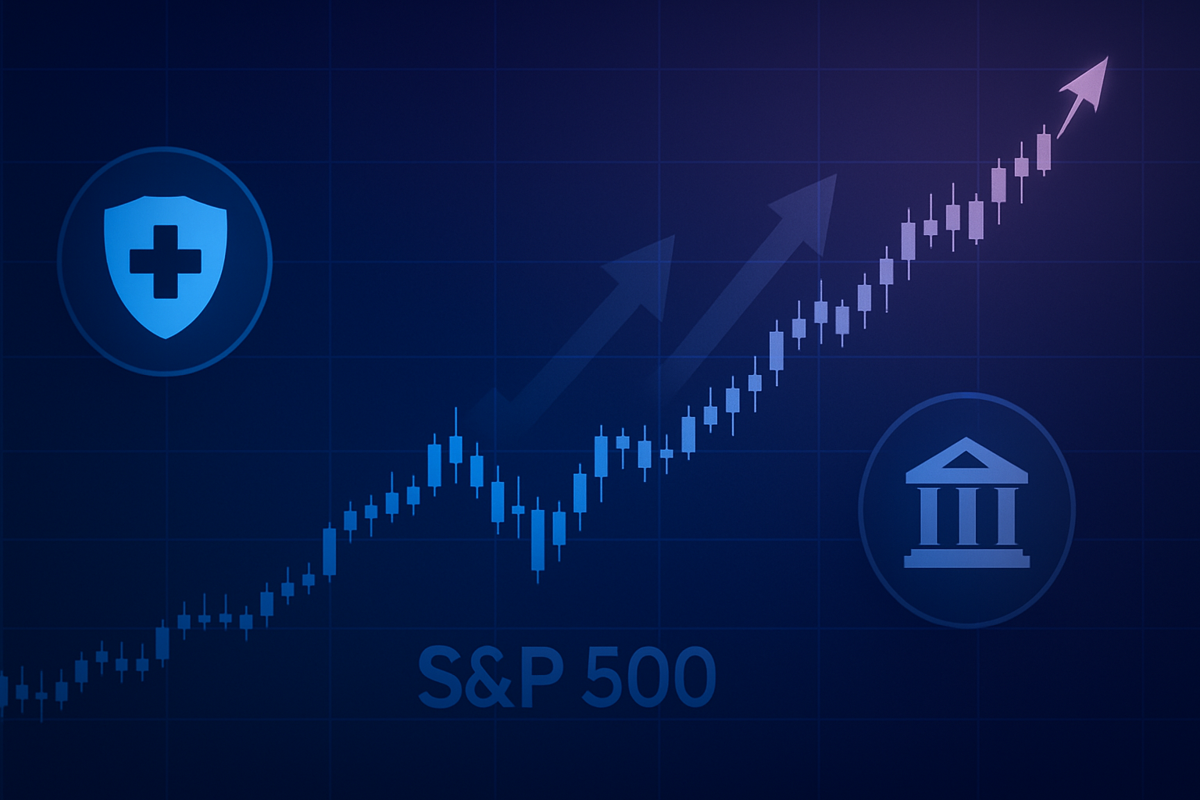
If you blinked, you missed the moment the market’s mood music changed. After months of tech’s relentless dominance, the S&P 500 is frozen at $7,384.66 and the Nasdaq at $25,789.39, both flatlining like a prop desk after the lunch rush. But beneath the surface, something is stirring: the hot money is leaking out of tech and sloshing into the unloved corners of the market, health insurers, banks, and even battered retailers. The rotation isn’t subtle. MarketWatch flagged the move as investors “flee” tech, and if you’ve been watching the options flow, the shift is obvious. The froth that powered the May rally is evaporating, replaced by a more defensive, almost suspicious tone. Suddenly, the narrative is about cash flow, not cloud compute.
What’s driving the exodus? Blame it on the AI hangover, or maybe it’s the looming CPI report and the Fed’s next inflation test. After a tech-fueled +11.5% run for stock funds this year (WSJ, 2026-06-07), the market’s appetite for risk is looking distinctly queasy. The “mania and the frog” dynamic, as Seeking Alpha put it, is giving way to a more cautious, even cynical, approach to risk. The big question: is this just a tactical rotation, or the start of something deeper?
Let’s get granular. The S&P’s flatline hides a violent churn under the hood. Health insurers are catching a bid as investors rediscover the joys of predictable cash flows and regulatory moats. Banks, written off for dead after the last rate scare, are suddenly back in vogue as the yield curve stabilizes and credit fears fade. Retailers, battered by margin compression and inventory whiplash, are being picked up by value hunters betting on a consumer that refuses to roll over.
Meanwhile, tech’s leadership is looking tired. The AI narrative, so intoxicating in Q1, is now running into real-world constraints, see Ireland’s “bring your own power” warning to data center giants (WSJ, 2026-06-07). The cost of building the next AI factory is no longer just capex, it’s grid capacity and political risk. Alphabet’s $85 billion equity raise for AI infrastructure (Seeking Alpha, 2026-06-07) is a red flag: when the buybacks stop and the dilution starts, the party is over.
The macro backdrop is hardly reassuring. Inflation in the electronics supply chain is getting sticky (CNBC, 2026-06-07), and the Fed is staring down its “biggest inflation test yet” (Seeking Alpha, 2026-06-07). The market is pricing in higher-for-longer, and the risk-on crowd is heading for the exits. The S&P’s calm is deceptive, a classic setup for a volatility spike if the next data print disappoints.
Cross-asset flows tell the same story. Commodities (DBC at $29.24) are dead money, with no sign of a breakout. Bond markets are stuck in neutral, waiting for a catalyst. The only real action is in sector rotation, as traders hunt for shelter from the coming storm.
The real story here is not about tech’s demise, but about the market’s search for new leadership. The rotation into health insurers and banks is not a vote of confidence, it’s a defensive crouch. The risk is that if the macro backdrop deteriorates, there’s nowhere left to hide. But for now, the trade is working, and the smart money is already there.
Strykr Watch
The S&P 500 is parked at $7,384.66, with support at $7,300 and resistance at $7,450. The Nasdaq’s $25,789.39 level is a key pivot, breakdown below $25,500 opens the door to a deeper correction. Watch sector ETFs for confirmation: health care and financials are outperforming, while tech is rolling over. RSI readings are neutral, but momentum is fading fast in the former leaders.
The technicals suggest a classic rotation regime: relative strength in defensives, weakness in growth. If the S&P loses $7,300, expect a rush for the exits. If it holds, the rotation could grind on for weeks.
The risks are obvious. A hawkish Fed surprise, a hot CPI print, or a credit event could blow up the rotation and trigger a broad selloff. Tech could stage a face-ripping rally if the macro backdrop improves, but for now, the path of least resistance is lower.
Opportunities abound for nimble traders. Long health insurers and banks on dips, short tech into resistance, and watch for inflection points in the macro data. This is a market for spread trades, not hero calls.
Strykr Take
This is not the end of tech, but it is the end of easy money leadership. The rotation into defensives is a rational response to a market that’s lost its nerve. The next big move will be driven by macro, not micro. For now, play the rotation, but keep your stops tight. The calm at the index level is a mirage, underneath, the market is already moving.
Sources (5)
Bring Your Own Power, Ireland Tells Tech Titans Hungry for Data Centers
The tiny nation is a test case for countries seeking AI investment without risking outages or higher bills for citizens.
These are the market's new hot stocks as investors flee from tech
Investors are suddenly dumping technology stocks and rotating into other areas — including health insurers, banks and retailers.
Sen. Armstrong Advocates for Energy Infrastructure Expansion
Senator Alan Armstrong recently resigned as the executive chairman of Williams Companies to replace Markwayne Mullin in the Senate. Armstrong joined D
Stock Funds Are Up 11.5% This Year Thanks to Tech Rally
May's tech-fueled rally adds to a turnaround for investors. Plus: A Financial Flashback, the 10th anniversary of Brexit.
Inflation inside the electronics you buy may soon become a bit more sticky
Resin is a critical component in the manufacturing of printed circuit boards, which are the nervous system of every modern device, and when board cost