
Strykr Analysis
BullishStrykr Pulse 72/100. Stablecoin flows are surging, with USDT outpacing Ethereum on every metric that matters. Threat Level 2/5. Regulatory risk is real but not imminent.
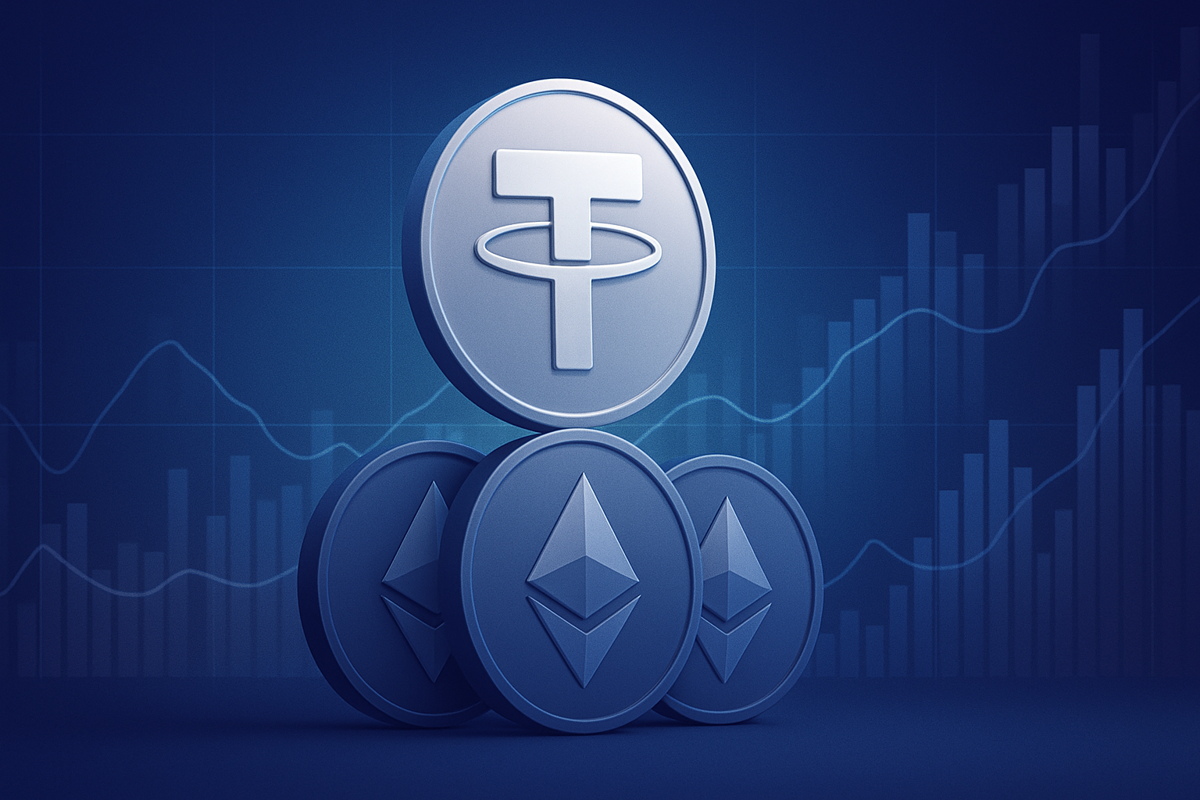
If you want to know where the real power lies in crypto today, follow the money. And the money is flooding into stablecoins, not the old guard of smart contract platforms. As of June 6, 2026, Tether’s USDT has officially flipped Ethereum in on-chain transaction volume and overall network activity, cementing its status as the backbone of digital dollar liquidity. Forget the tired Bitcoin vs. Ethereum debate. The real fight is for who gets to be the rails for the new global financial plumbing, and right now, stablecoins are eating everyone’s lunch.
The headlines have been dominated by carnage across altcoins and the slow-motion trainwreck in Bitcoin, but quietly, USDT’s relentless march has become the story that actually matters for traders, neobanks, and anyone still clinging to the idea that crypto is just about speculation. According to Blockonomi (2026-06-06), stablecoin demand is now outpacing that of native crypto assets, with neobanks and fintechs preparing to rebuild finance on dollar rails. The numbers back it up: cumulative USDT settlement volume has overtaken Ethereum’s, and daily active addresses have exploded as Asian and Latin American users treat USDT as a lifeline against currency devaluation and capital controls.
This isn’t a flash in the pan. Over the past year, while Bitcoin and Ethereum have bled nearly 40% each, USDT’s market cap has swelled to all-time highs, and its velocity, the speed at which coins change hands, has reached levels not seen since the DeFi summer of 2021. The narrative has shifted. Stablecoins are no longer just a parking lot for traders between risk-on bets. They are the underlying liquidity engine for a new class of neobanks, cross-border payment rails, and even the shadow dollar system that is quietly undermining traditional banking in emerging markets.
The implications are profound. As USDT cements its dominance, the power dynamics in crypto shift from the miners and stakers of proof-of-work and proof-of-stake networks to the issuers and custodians of dollar-backed tokens. Tether, Circle, and a handful of upstart fintechs now wield outsize influence over global flows, regulatory risk, and the very architecture of digital finance. The risk? Centralization, regulatory choke points, and the ever-present question of whether these stablecoins are as “backed” as their issuers claim. But for now, the market doesn’t care. Traders want liquidity, and USDT delivers.
The cross-asset context is equally telling. As Bitcoin ETFs bleed cash for a record 13 straight days and Ethereum’s DeFi ecosystem stagnates, USDT volumes on exchanges and peer-to-peer platforms have soared. In South Korea, the “Kimchi premium” has inverted, with Bitcoin trading at a discount to global markets as local demand for USDT spikes. In Latin America, USDT is now the de facto dollar for millions of users locked out of the traditional banking system. The old playbook, buy Bitcoin for upside, use Ethereum for yield, is dead. The new playbook is simple: hold USDT, move fast, and stay liquid.
On-chain data reveals just how dramatic this shift has been. Glassnode reports that USDT’s daily active addresses have doubled year-on-year, while Ethereum’s have stagnated. The velocity of USDT on Tron and Ethereum has reached multi-year highs, reflecting its use in everything from remittances to high-frequency trading. Meanwhile, the stablecoin’s dominance on centralized exchanges has hit 80%, up from 60% a year ago. The message is clear: in a world where volatility is the norm and regulatory risks abound, traders are voting with their wallets, and they’re voting for stability.
Strykr Watch
Technically, the USDT/ETH ratio is the chart to watch. The flippening is not just symbolic. It marks a structural change in crypto market structure. On-chain flows show USDT supply on exchanges at record highs, with a clear migration from speculative altcoin pairs to stablecoin-dominated order books. The key level for Ethereum is $3,200, if ETH fails to reclaim this zone, expect further rotation into USDT and other dollar-backed assets. For USDT, the risk is regulatory, not technical. Watch for any signs of redemptions or depegging events, but so far, the peg has held with ironclad consistency, even during bouts of market panic.
Stablecoin dominance is now the key sentiment indicator for crypto. If USDT market cap continues to grow while altcoins stagnate, expect further compression in DeFi yields and a continued exodus from risk. RSI for USDT/ETH is in overbought territory, but this is less about momentum and more about structural demand. The real technical tell will be whether stablecoin supply on exchanges starts to fall, a sign that risk appetite is returning. Until then, the path of least resistance is sideways to up for USDT dominance.
The risks are not trivial. Regulatory action against Tether or Circle could spark a liquidity crisis, especially if the US Treasury or EU authorities decide to crack down on dollar-backed tokens. A depegging event, even if short-lived, would send shockwaves through the entire market. But so far, the market is pricing in these risks as tail events, not base cases. The real risk for traders is missing the structural shift and getting caught on the wrong side of the liquidity trade.
For opportunities, the play is clear: lean into stablecoin rails for cross-border payments, DeFi strategies, and even as collateral for leveraged trades. The days of chasing 100x altcoin pumps are over, at least for now. The smart money is moving into stable, liquid assets that can be deployed at a moment’s notice. For those still clinging to the old narratives, the risk is being left behind as the market moves on.
Strykr Take
The flippening of USDT over Ethereum is not just a milestone for stablecoins. It’s a wake-up call for anyone still trading the last cycle’s playbook. The future of crypto liquidity is dollar-backed, fast, and ruthlessly efficient. Ignore it at your own risk.
Sources (5)
USDT Flipping ETH: What It Means for Stablecoins and Neobanks
Stablecoin demand is outpacing crypto assets as neobanks prepare to rebuild finance on dollar rails.
Bitcoin Risks $55K Slide as Analyst Doubles Down on $100K Target
Bitcoin is testing a critical support area as investors assess whether the $60,000 level can hold. A strategist said a break lower could bring $55,000
This Hidden AI Stock Up 5,100% While Bitcoin and Ethereum Lost Nearly 40%
While Bitcoin and Ethereum lost nearly 40% over the past 12 months, AXT Inc. surged more than 5,100%, becoming one of the most impressive AI-linked st
LUNC sheds 37% in 6 days, remains bearish – Wait for THIS before buying!
LUNC's volume indicators did not show substantial selling pressure despite the deep correction.
RippleX Developer Says XRP Won't Crash 46% Like Zcash Did
Claude AI found a flaw in Zcash. The result: a 46% collapse in value, fast and brutal.