
Strykr Analysis
BullishStrykr Pulse 63/100. Volatility is underpriced relative to geopolitical and macro risks. Threat Level 3/5.
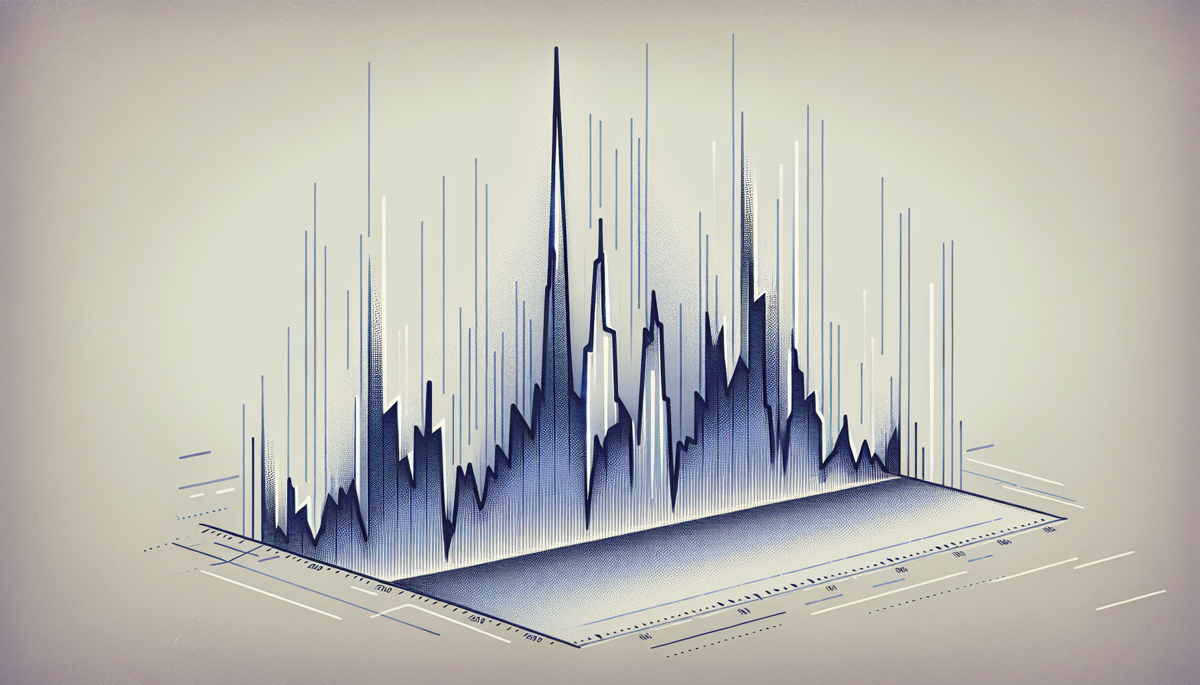
If you’re the kind of trader who gets a dopamine hit from watching the VIX spike, this market is your personal purgatory. As of March 2, 2026, the so-called “fear gauge” sits at $19.8, about as exciting as a decaf latte. The number hasn’t budged in 24 hours, and the last week has been a masterclass in stasis. This is not a typo. In a world where the U.S. and Israel just attacked Iran, OPEC+ is about to pump more oil, and AI is threatening to vaporize entire business models, the volatility index is... flat. Not falling, not rising, just flat. If you’re waiting for the punchline, here it is: The market’s collective risk radar is either broken, or everyone’s so hedged they’re numb.
Let’s get the facts on the table. The VIX at $19.8 is neither historically low nor high. It’s the market’s way of saying, “I see the headlines, but I don’t care, yet.” The S&P 500 has just clocked its tightest two-month range on record, according to Seeking Alpha. Futures are soft, but not in freefall. Oil prices have surged, but the equity vol complex hasn’t even blinked. The news cycle is a fever dream: U.S. Iran conflict, OPEC+ output hikes, AI layoffs, and a looming U.S. jobs report. And still, the VIX is stuck in neutral.
To be fair, the VIX is a forward-looking measure, not a Geiger counter for today’s panic. But even by those standards, this is odd. In previous cycles, a whiff of Middle East conflict would have sent vol traders scrambling for upside calls. Now, the only thing moving is the narrative. Maybe the options market is so saturated with hedges that every shock is pre-baked. Or maybe everyone’s so high on AI productivity and soft-landing Kool-Aid that they’ve forgotten what risk feels like. Either way, the disconnect is glaring.
Historically, the VIX has spent most of its life below 20. But context matters. In 2020, it took a global pandemic to break 80. In 2022, inflation and Fed panic pushed it above 30. Today, with a hot war brewing and OPEC+ flexing, we’re barely at 20. The last time the VIX was this inert amid real geopolitical risk, it was 2014 and traders were still quoting “buy the dip” like scripture. That didn’t end well. The options market is pricing in a Goldilocks scenario: Not too hot, not too cold, just enough risk to keep premiums juicy but not enough to trigger a vol spike. This is complacency masquerading as sophistication.
Here’s the kicker: cross-asset correlations have broken down. Oil is up, gold is up, but equities and vol are asleep. The S&P 500 is rangebound, the dollar is flat at $97.63, and even crypto is only half-awake. The usual “risk-off” playbook isn’t working. If you’re running a multi-asset book, you’re probably scratching your head. The algos are tuned to 2021, but the world looks a lot more like 2007. The last time everyone was this chill about tail risk, the tail bit back.
So why does this matter? Because the market is setting up for a classic vol shock. When everyone is positioned for nothing, something usually happens. The options market is cheap, but the risks are not. The U.S. Iran situation could escalate. OPEC+ could lose control of the oil market. AI layoffs could hit consumer demand harder than expected. And the jobs report could flip the Fed narrative overnight. If you’re short vol here, you’re betting that nothing matters. That’s not a trade, that’s a prayer.
Strykr Watch
Technically, the VIX at $19.8 is sitting right at its 20-day moving average. The 50-day is just above at $20.6, and the 200-day is down at $18.9. RSI is neutral at 49. There’s a clear resistance band at $22, which has capped every spike since January. Support is at $18. If the VIX breaks above $22, expect a rush of forced hedging and a fast move to $25. If it slips below $18, we’re back to pre-pandemic complacency. Watch for option skew: the put-call ratio is at 0.92, suggesting traders are still hedging, but not aggressively. The next catalyst is Friday’s U.S. jobs report. If NFP comes in hot, vol could pop. If it’s a dud, the sleepwalk continues.
The bear case is simple: the VIX is a broken indicator. The bull case is that it’s a coiled spring. The real story is that the market is not pricing in the risk of a regime shift. If you’re running a vol book, you’re either bleeding theta or waiting for the big one. The crowd is betting on boredom. That’s usually when things get interesting.
The risk here is not that vol stays low, but that it snaps higher when no one is ready. If the U.S. Iran conflict escalates, or if OPEC+ loses control of oil, the VIX could jump 20% in a day. If the Fed surprises with a hawkish pivot on the back of strong jobs data, equities could sell off and vol could spike. The real risk is the gap between perception and reality. Traders are positioned for nothing, but the world is anything but quiet.
There’s opportunity here for the bold. Long vol trades are cheap. Buying VIX calls or S&P 500 puts is a classic tail hedge. If you’re running a delta-neutral book, you can finance long vol with short gamma. The payoff is asymmetric: if nothing happens, you lose a little. If something breaks, you win big. The key is timing. Don’t go all-in, but don’t ignore the setup. The crowd is sleepwalking. You don’t have to.
Strykr Take
The market is daring you to care about risk. The VIX is flat, but the world is not. This is the setup for a classic vol shock. Don’t be the last one to hedge. Strykr Pulse 63/100. Threat Level 3/5. The crowd is wrong. Be ready for the snap.
Sources (5)
A Mag-7-Less Start To The Year
2026 has so far seen the tightest range on record for the S&P 500 through the first two months of the year. While the cap-weighted S&P 500 has been fl
This Is How Yield-Chasing Can Wreck Your Retirement Portfolio
Chasing ultra-high yields above 15% often leads to capital erosion and unsustainable income. This is what we can see right now (aggressive yield instr
Stock Futures Fall, Oil Prices Surge as Volatility Grips Financial Markets Amid Iran Developments
A shaky start to the week is in store for financial markets after the U.S. and Israel attacked Iran over the weekend.
Wall St Week Ahead AI disruption looms over markets with US jobs data on tap
Prospects for artificial intelligence to disrupt business sectors should keep the U.S. stock market on edge in the coming week, as Wall Street looks f
Global week ahead: Operation Epic Fury means new risks for markets
Investors brace for a wave of volatility following the attacks on Iran. Middle East markets sink, while some remain closed during Sunday's trade.