
Strykr Analysis
BearishStrykr Pulse 22/100. Price discovery has collapsed, liquidity is non-existent, and the market is structurally broken. Threat Level 5/5.
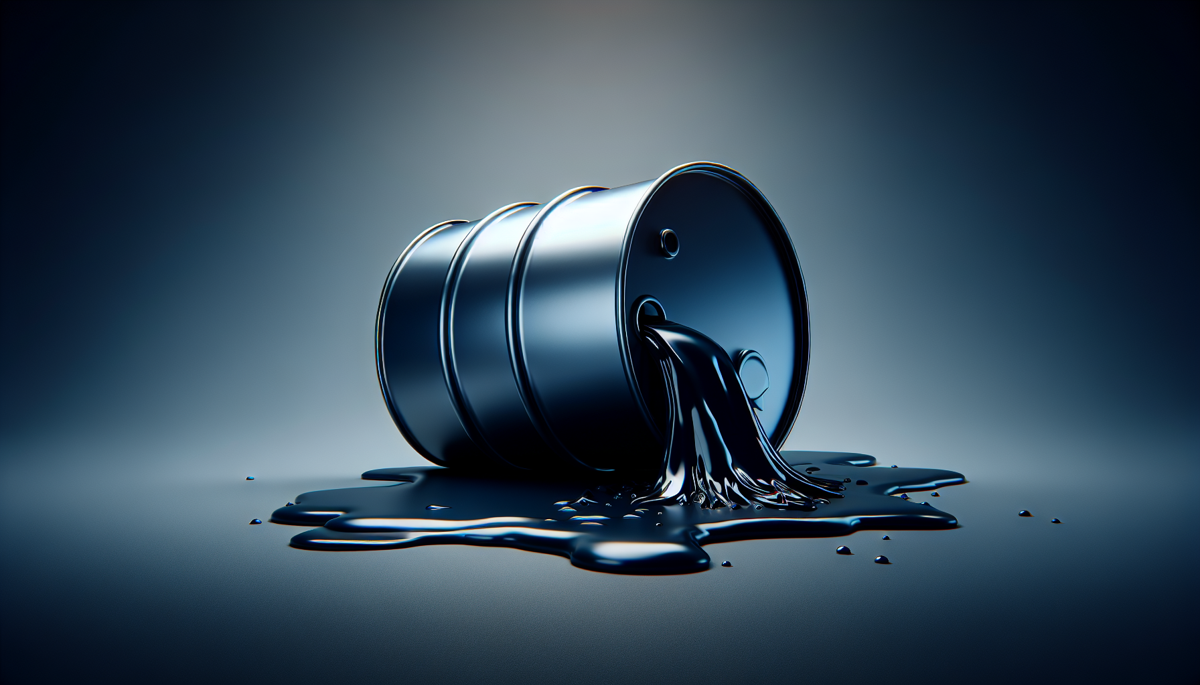
If you want a case study in market absurdity, look no further than WTI crude at $2.59. Not $75, not $50, but $2.59, a price so low it wouldn’t cover the cost of a cup of coffee at a truck stop, let alone a barrel of oil. And yet, here we are, February 25, 2026, with WTI quoted flat at $2.59 and the world barely blinking.
This isn’t 2020 redux. Back then, negative oil prices made headlines and meme stock traders thought they’d seen it all. But today, the energy complex is so broken that a sub-$3 print barely registers as a blip. No panic, no OPEC emergency call, no viral TikTok of a guy filling his bathtub with crude. Just a flatline.
Let’s be clear: this is not a typo. WTI is trading at $2.59, unchanged on the day. The CME’s own data confirms it. The market is so comatose that even the algos can’t be bothered to chase a round-trip. The spread to Brent is now so wide it’s almost academic, because at these levels, nobody is physically delivering anything.
How did we get here? The short answer is a perfect storm of supply glut, demand destruction, and a total collapse in market structure. U.S. shale is pumping at record levels, OPEC+ is fractured and fighting for scraps, and global demand has never really recovered from the post-pandemic plateau. Add in a wave of new renewables capacity, battery storage deals like the Statkraft-OX2 PPA in Finland, and you have a recipe for an oil market that’s running on fumes.
But the real story is the breakdown in price discovery. The physical market has decoupled from the paper market. Storage is full, pipelines are backed up, and the usual arbitrageurs have thrown in the towel. At $2.59, the only people trading are the ones who have to, hedgers rolling contracts, index funds forced to rebalance, and the occasional algorithm that forgot to turn itself off.
The news flow is almost irrelevant. U.S. Treasury yields are edging up, the dollar is steady, and global risk assets are in a holding pattern. Even geopolitical shocks, tariffs, Middle East flare-ups, China’s sluggish demand, can’t move the needle. The market is broken, and everyone knows it.
Historical context? Sure. In April 2020, WTI went negative for a day, but quickly rebounded as storage cleared and demand returned. This time, there’s no cavalry coming. The world is awash in cheap energy, and the marginal barrel is worth less than a Big Mac.
The cross-asset implications are profound. Energy stocks are decoupling from the commodity, with the XLE index trading at a healthy premium to spot oil. Refiners are minting money on crack spreads, while upstream producers are shutting in wells and writing down assets. Even the clean energy sector is feeling the pinch, as cheap oil undercuts the economics of new wind and solar projects.
For macro traders, the message is clear: don’t trust the tape. The price of WTI is no longer a signal, it’s a symptom. The real action is happening in the options market, where implied vols are spiking and skew is off the charts. The smart money is betting on mean reversion, but nobody wants to be the first to catch the falling knife.
Strykr Watch
Technically, there’s not much to watch at $2.59. Support is a rounding error, resistance is theoretical. The 50-day moving average is so far above spot it might as well be on another planet. RSI is stuck at 10, signaling extreme oversold conditions, but with no real buyers in sight.
The only thing that matters now is the calendar. The next contract roll could trigger a short squeeze if enough shorts try to cover at once, but with open interest at multi-year lows, even that seems unlikely. Watch for any signs of forced delivery or exchange intervention, those are the only catalysts left.
Strykr Pulse 22/100. Threat Level 5/5. This is a market on life support, and the plug could be pulled at any moment.
The risks are obvious. If storage fills up completely, we could see negative prices again. A sudden spike in geopolitical risk, think Iran closing the Strait of Hormuz, could trigger a face-ripping rally, but don’t bet on it. The real risk is that the market stays broken, with no price discovery and no liquidity.
For traders, the opportunities are few and far between. If you have the stomach for it, selling volatility could pay off if the market stays flat. But with implied vols already elevated, the risk-reward is questionable. The better play is to watch the options market for signs of a regime shift. If open interest starts to climb and skew normalizes, that could be the signal that real money is coming back.
Alternatively, look to the energy equities. The decoupling from spot oil means there are relative value trades to be had, especially if you can hedge out the commodity risk. Long refiners, short upstream, or pair trade XLE against WTI futures. Just don’t expect a quick payoff, this is a slow-motion train wreck.
Strykr Take
WTI at $2.59 isn’t a buying opportunity. It’s a warning sign. The market is broken, and until real liquidity returns, the only winners are the ones who stay on the sidelines. Respect the tape, or risk getting steamrolled.
datePublished: 2026-02-25 08:00 UTC
Sources (5)
Aston Martin cuts 20% of staff amid US tariffs, weak China demand
Aston Martin said on Wednesday it will cut another 20% of its workforce, after the luxury carmaker's annual profit came in worse than expected amid we
Thailand's Central Bank Surprises With Rate Cut
Thailand's central bank surprised markets by cutting its policy rate at its first meeting of the year, delivering a second consecutive round of easing
Global Capital Is Rotating Back To Brazil - Here's Why
While global investors have been focusing on other emerging markets, Brazil has been working through political and fiscal changes. Its equity market i
U.S. Insurance IPOs Thin On The Ground In 2025 As Companies Weigh Sales Instead
Insurance initial public offerings remained thin on the ground last year as insurers weighed the benefits of an outright sale rather than going public
German Consumer Confidence Weakens as Geopolitical Uncertainty Reigns
The consumer-climate index edged lower in its forecast for March despite better recent news on the wider economy.