
Strykr Analysis
NeutralStrykr Pulse 57/100. Rotation hype is not translating into price action. Sector is stuck, but volatility is coiling. Threat Level 2/5.
If you were hoping for fireworks in financials, you’re going to have to keep waiting. XLF, the Financial Select Sector SPDR Fund, closed at $52.29, unchanged, unmoved, and apparently unmoved by the so-called “great rotation” out of tech. The headlines might be screaming about investors fleeing tech for banks and insurers, but the tape isn’t buying it. For all the talk of a sectoral renaissance, financials are stuck in neutral, and the market’s collective yawn is deafening.
Let’s talk facts. As of June 7, 2026, XLF finished the day exactly where it started: $52.29. No gap, no fade, no nothing. This is the ETF that’s supposed to benefit from rising yields, a hawkish Fed, and the great unwind of tech excess. Instead, it’s flatlining, with volume barely a whisper above the 20-day average. The news cycle is full of rotation narratives, MarketWatch touts banks as the new hot trade, the Fed is supposedly facing its “biggest inflation test yet,” and yet the financials are acting like they missed the memo. If this is what a rotation looks like, it’s a pretty uninspired one.
Context matters. Financials have been the “next big thing” for six months running, ever since tech valuations hit escape velocity and traders started hunting for value. The logic is simple: higher rates mean fatter net interest margins, banks should print money, insurers should thrive, and the sector should outperform. But the reality is more complicated. The Fed’s hawkish rhetoric has yet to translate into a sustained yield curve steepening, and the macro backdrop is anything but clear. Inflation is sticky, but not runaway. The jobs market is hot, but not overheating. And every time financials look ready to break out, something pulls them back, be it a soft CPI print, a geopolitical headline, or a curve inversion scare.
Historically, XLF is a beta play on the US economy and rates. When the curve steepens, banks rally. When credit spreads widen, insurers outperform. But right now, the sector is caught in a liminal space. The yield curve is flat-ish, the Fed is talking tough but walking slow, and credit markets are eerily calm. The last time financials traded this flat was in the summer of 2019, right before the repo market blew up and forced the Fed’s hand. Correlations with the S&P 500 are ticking down, and sector flows are tepid at best. The market is pricing in a Goldilocks scenario, rates high enough to help margins, but not so high as to choke off lending. That’s a tightrope act, and the market knows it.
The analysis? This is a sector in search of a catalyst. The rotation out of tech is real, but the money isn’t flooding into financials, it’s trickling, at best. The options market is pricing in a pickup in volatility, but realized vol is stuck at multi-month lows. Earnings season is weeks away, and the macro calendar is a desert. The risk is that the rotation narrative fizzles before it ever really starts, leaving financials stuck in the mud. The opportunity is that any surprise, hawkish or dovish, could jolt the sector out of its stupor. But for now, the market is content to wait and watch.
Strykr Watch
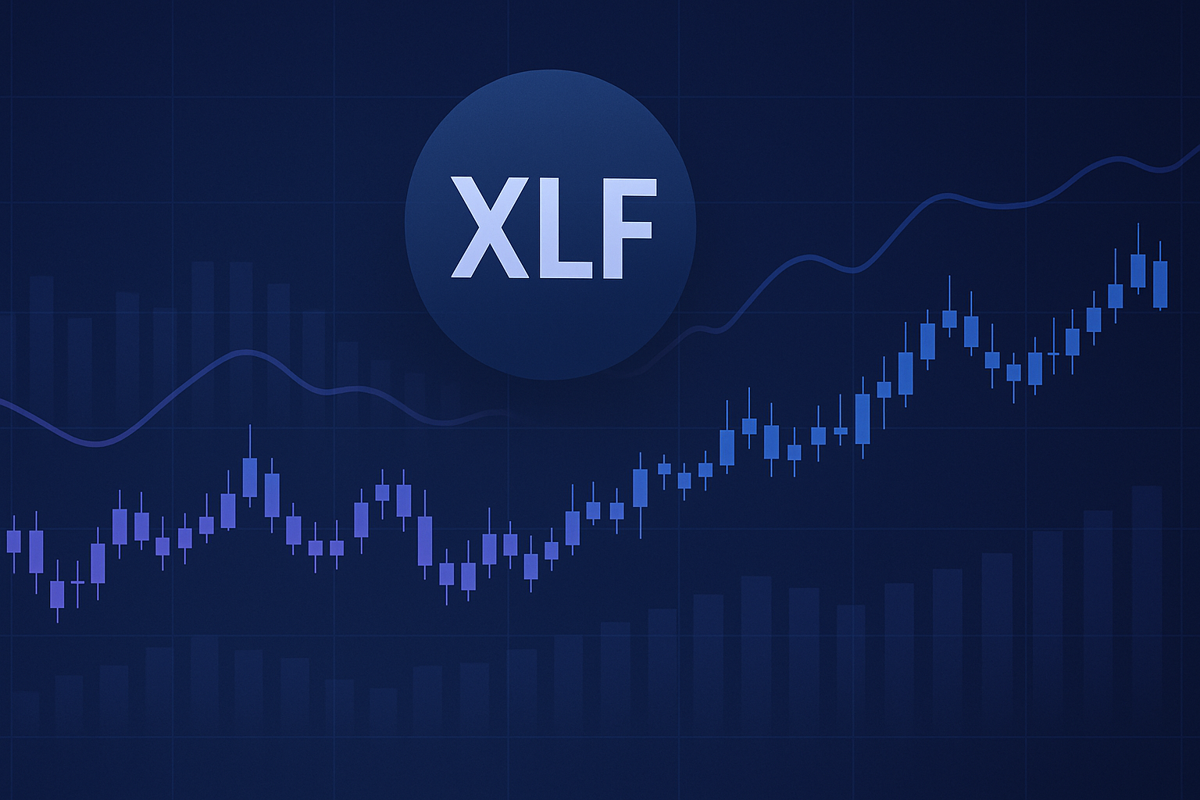
Technically, XLF is boxed in between $52 support and $53 resistance. The 200-day moving average is creeping up at $51.80, providing a safety net for the bulls. RSI is a sleepy 48, signaling neither overbought nor oversold. The sector is trading in a classic “no man’s land,” waiting for direction. Watch for a break above $53 to confirm a rotation bid, or a drop below $52 to trigger stops and open the door to $50. Until then, it’s a range trader’s paradise, and a trend follower’s nightmare.
The risks are clear. If the Fed blinks and signals a pause, the yield curve could flatten further, crushing net interest margins and sending banks lower. A surprise spike in credit losses or a geopolitical shock could also hit the sector hard. On the flip side, a hawkish Fed or a surprise uptick in inflation could steepen the curve and ignite a rally. The market is pricing in perfection, but perfection is a rare commodity in financials.
For traders, the opportunity is all about timing. This is a market for patience, not aggression. Wait for the breakout, and be ready to move quickly when it comes. Option buyers can look at straddles around the $52.50 strike, with defined risk and asymmetric upside. For directional traders, a break above $53 is your green light for longs, with a stop at $52. On the downside, a close below $52 opens the door to $50 in a hurry.
Strykr Take
Financials are the market’s great hope and its great disappointment, all at once. The rotation narrative is alive, but the price action says otherwise. This is a sector waiting for a catalyst, and when it comes, the move will be sharp. Until then, keep your powder dry and your stops tight. The real trade is coming, but it’s not here yet.
Sources (5)
Bring Your Own Power, Ireland Tells Tech Titans Hungry for Data Centers
The tiny nation is a test case for countries seeking AI investment without risking outages or higher bills for citizens.
These are the market's new hot stocks as investors flee from tech
Investors are suddenly dumping technology stocks and rotating into other areas — including health insurers, banks and retailers.
Sen. Armstrong Advocates for Energy Infrastructure Expansion
Senator Alan Armstrong recently resigned as the executive chairman of Williams Companies to replace Markwayne Mullin in the Senate. Armstrong joined D
Stock Funds Are Up 11.5% This Year Thanks to Tech Rally
May's tech-fueled rally adds to a turnaround for investors. Plus: A Financial Flashback, the 10th anniversary of Brexit.
Inflation inside the electronics you buy may soon become a bit more sticky
Resin is a critical component in the manufacturing of printed circuit boards, which are the nervous system of every modern device, and when board cost