
Strykr Analysis
BearishStrykr Pulse 33/100. Governance crisis and technical breakdown. Threat Level 4/5.
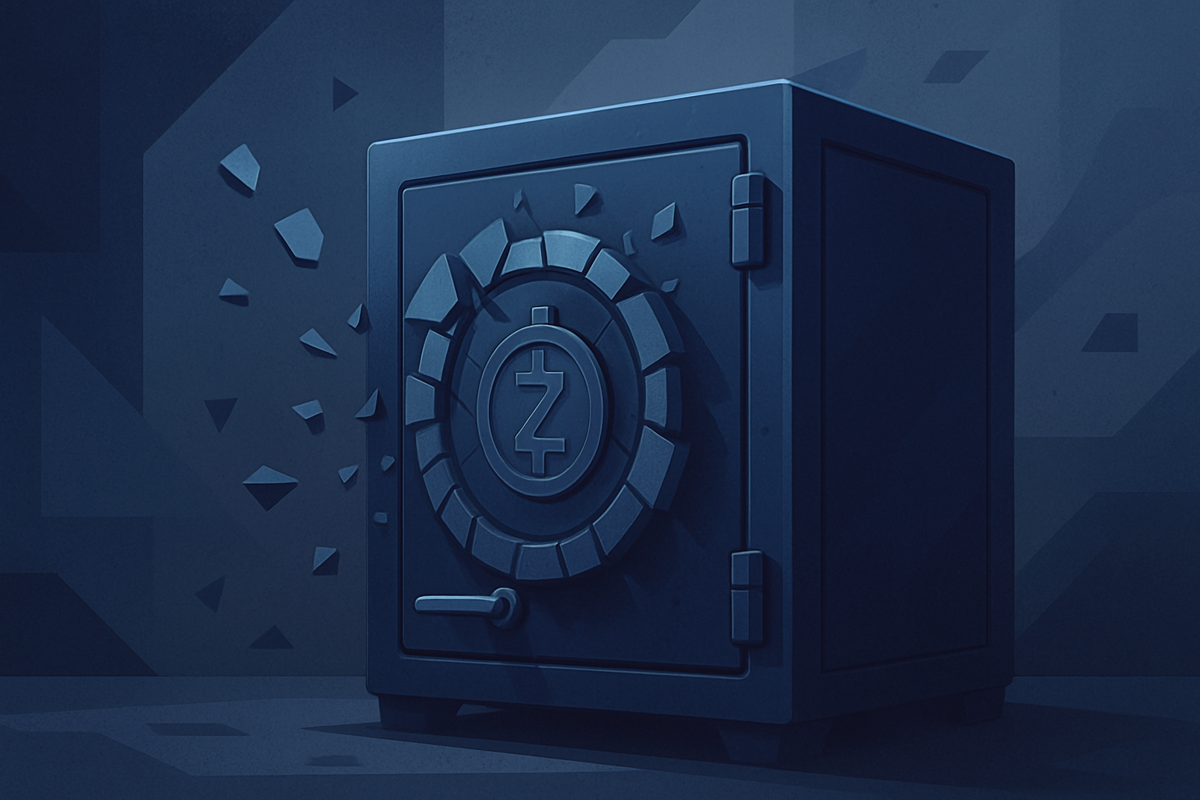
If you were looking for a textbook case of how not to manage a decentralized network, Zcash just handed you a masterclass. In the span of 24 hours, the privacy coin went from relative obscurity to the center of the crypto world’s latest governance drama, all thanks to a critical vulnerability discovered by, you guessed it, AI. The result? An emergency hard fork, a community in turmoil, and a fresh round of existential questions about what 'decentralization' really means when the chips are down.
The story started innocuously enough, as most crypto crises do. A major bug in Zcash’s codebase was sniffed out by an AI-powered audit, raising the specter of catastrophic exploits. The response was swift and, frankly, authoritarian: Zcash’s core developers pushed through an emergency hard fork, bypassing the usual community governance process. The stated rationale was urgency, protect the network at all costs. But the fallout has been ugly. Community trust, already fragile after years of infighting over funding and roadmap decisions, has taken another body blow. The price action has been predictably chaotic, with Zcash sliding as traders and holders alike try to make sense of what just happened.
Let’s get specific. The hard fork was implemented late Friday, June 5, after the bug was publicly disclosed by multiple security researchers. According to cryptobriefing.com, the vulnerability could have allowed a malicious actor to siphon off funds or disrupt consensus. The core team, citing the need for immediate action, opted for a closed-door fix and pushed the update to miners and validators with minimal notice. The market reaction was swift: Zcash dropped double digits in minutes, before clawing back some losses as the immediate threat receded. But the damage to the project’s reputation may be harder to repair.
This is not the first time a crypto project has faced a governance crisis, but the Zcash episode is particularly instructive because it lays bare the tension between security and decentralization. In theory, decentralized networks are supposed to be resilient precisely because no single actor can unilaterally dictate outcomes. In practice, when the chips are down, the same projects often resort to centralized decision-making to stave off disaster. The irony is palpable.
The broader context is even more damning. Crypto is in the midst of a brutal bear market, with altcoins getting crushed as capital flees to perceived safety. Bitcoin maximalists are crowing that the AI investment boom, not Bitcoin weakness, is to blame for the recent slump. Meanwhile, Zcash is fighting for survival on multiple fronts: declining usage, shrinking developer resources, and now, a full-blown crisis of legitimacy.
Historically, governance failures have been the Achilles’ heel of many promising crypto projects. From the DAO hack that split Ethereum in two, to the more recent drama around Solana’s treasury losses, the pattern is depressingly familiar. When things go wrong, the first casualty is always community trust. Zcash’s emergency hard fork is just the latest chapter in this saga.
The technicals are just as ugly as the headlines. Zcash has broken below key support levels, with volume spiking as panicked holders rush for the exits. The RSI is deep in oversold territory, but that’s cold comfort for anyone who bought into the privacy narrative. The moving averages are rolling over, and the order book is thin, any further negative headlines could trigger a fresh wave of selling.
The macro backdrop offers little solace. Regulatory scrutiny of privacy coins is intensifying, with multiple jurisdictions mulling outright bans or severe restrictions. The AI-driven bug discovery, while a win for security, is a double-edged sword: it raises uncomfortable questions about how many other vulnerabilities are lurking in the codebases of major crypto projects. The market is jittery, and Zcash is now the poster child for why governance matters.
Strykr Watch
The technical picture is grim. Zcash has sliced through its 200-day moving average and is now testing multi-year lows. The next support sits at the psychological $20 level, with resistance up at $28. Volume is elevated, but the order book is thin, any large sell order could push the price down another 10-15% in a heartbeat. RSI is below 30, signaling extreme oversold conditions, but in a panic-driven market, that’s not necessarily a buy signal.
From a sentiment perspective, the community is in disarray. Social media channels are ablaze with recriminations and conspiracy theories. The developer team is on the defensive, issuing statements about the necessity of the hard fork but failing to reassure long-term holders. The risk of a further governance split is high, especially if another vulnerability is discovered or if the hard fork introduces new bugs.
Traders should keep a close eye on the $20 support level. A break below that could trigger a capitulation event, while a bounce could offer a short-term relief rally. But with trust at a low ebb, any upside is likely to be met with aggressive selling into strength.
The downside risks are obvious: regulatory action, further technical issues, and a loss of confidence that sends Zcash into a death spiral. The upside case is harder to make, but a successful stabilization and renewed focus on transparent governance could eventually restore some credibility. For now, the path of least resistance is lower.
For those brave enough to trade the volatility, the setup is clear: short any failed rallies into resistance, and look for capitulation wicks to buy for a quick bounce. But keep stops tight, this is not a market for heroes.
Strykr Take
Zcash’s emergency hard fork is a wake-up call for the entire crypto sector. Decentralization is easy to talk about, but hard to practice when the stakes are high. The market has delivered its verdict: trust, once lost, is hard to regain. Until Zcash can prove that it’s more than just a centralized project in decentralized clothing, expect further pain. This is a trade for the nimble, not the true believers.
datePublished: 2026-06-06 01:45 UTC
Sources (5)
Bitcoin Maximalists Say AI Investment Boom, Not Bitcoin Weakness, Is Driving Market Slump
Bitcoin maximalists remain confident in the long-term outlook for the worlds largest cryptocurrency despite a sharp market correction that has erased
AI Finds Major Zcash Bug, Raising New Crypto Security Concerns in 2026
A recently discovered security flaw in Zcash has sparked widespread debate about the future of cryptocurrency security in the age of artificial intell
Zcash faces governance concerns after emergency hard fork over critical vulnerability
The incident highlights the need for transparent governance in crypto projects, as centralized decision-making can undermine community trust. Zcash fa
HYPE Falls 11% Below $65 After Arthur Hayes Exit Signals Pressure
HYPE fell sharply in the past day, briefly slipping below the key 65 USDT level on OKX before stabilizing slightly above it—an abrupt move that unders
Shiba Inu's multi‑year low tests investor conviction – Traders turn bearish
Indicators and market sentiment point to further pain ahead for SHIB.