
Strykr Analysis
NeutralStrykr Pulse 52/100. Crosscurrents are canceling each other out, but volatility is lurking. Threat Level 2/5.
There’s nothing like a dead-still commodities ETF to make traders’ eyes glaze over. DBC at $29.49 hasn’t moved an inch, but the real story is what’s bubbling beneath that placid surface. Commodities markets are supposed to be the canaries in the macro coal mine. Instead, they’re acting like narcoleptic pigeons. The world’s supply chains are being squeezed by Middle East flashpoints, U.S. tariff brinkmanship, and a global economy that can’t decide if it’s overheating or just hungover. Yet, here sits DBC, the broad commodities ETF, as flat as a central banker’s affect.
The Strait of Hormuz is usually the go-to geopolitical boogeyman for oil bulls, but the latest headlines suggest traders are more worried about what’s brewing in Korea and Japan. That’s a subtle but important shift. According to Seeking Alpha, “Korea And Japan Worry Me More Than The Strait Of Hormuz,” and the market seems to agree, at least in terms of risk pricing. The aluminum market is feeling the squeeze from both Middle East conflict and new U.S. tariffs, but you wouldn’t know it from DBC’s price action.
So why is the ETF refusing to budge? Part of the answer lies in the composition: DBC is a basket of commodities, with heavy weightings in energy, metals, and agriculture. When oil spikes but grains slump, the index can look comatose even as underlying volatility rips. The last 24 hours have seen oil futures churn on the back of Middle East headlines, while metals like aluminum and copper have been whipsawed by tariff threats and Chinese demand jitters. Yet, the ETF’s net movement is a big, fat zero. That’s not a sign of calm, it’s a sign of crosscurrents canceling each other out.
Zoom out, and the backdrop is anything but tranquil. The global economy is digesting a cocktail of sticky inflation, central bank confusion, and supply chain roulette. The U.S. Federal Reserve is stuck in a holding pattern, with markets pricing a 98% chance of no move at the next meeting, according to news.bitcoin.com’s round-up of June signals. Meanwhile, the U.S. is slapping tariffs on everything that moves, and China is retaliating in kind. The result: commodity-specific shocks that never quite make it to the ETF’s headline price.
Historical analogs are instructive. In 2022, commodities ETFs like DBC saw wild swings as Russia invaded Ukraine and supply chains seized up. Today, the shocks are more distributed, tariffs here, war risk there, weather disruptions everywhere. The difference is that the volatility is sectoral, not systemic. That means traders looking for a one-way bet in DBC are likely to be disappointed, at least until one of these risks actually breaks the stalemate.
The cross-asset picture is equally muddled. Equities are showing broad-based strength, as MarketWatch notes, with even small caps joining the party. Tech is still leading, but the rally is no longer a one-sector show. That’s usually a sign that risk appetite is healthy, but it also means commodities are not the only game in town for macro hedges. The dollar is rangebound, and gold has lost its luster as a panic bid, at least for now.
So what’s a trader to do with a flat DBC? The answer, as always, is to look beneath the surface. The ETF’s lack of movement masks real volatility in its components. Oil, metals, and ags are all trading on different narratives. The aluminum market, for example, is being squeezed by both Middle East risk and tariff policy, as highlighted in recent YouTube coverage. But unless those shocks align, the ETF will keep looking like a snooze-fest.
Strykr Watch
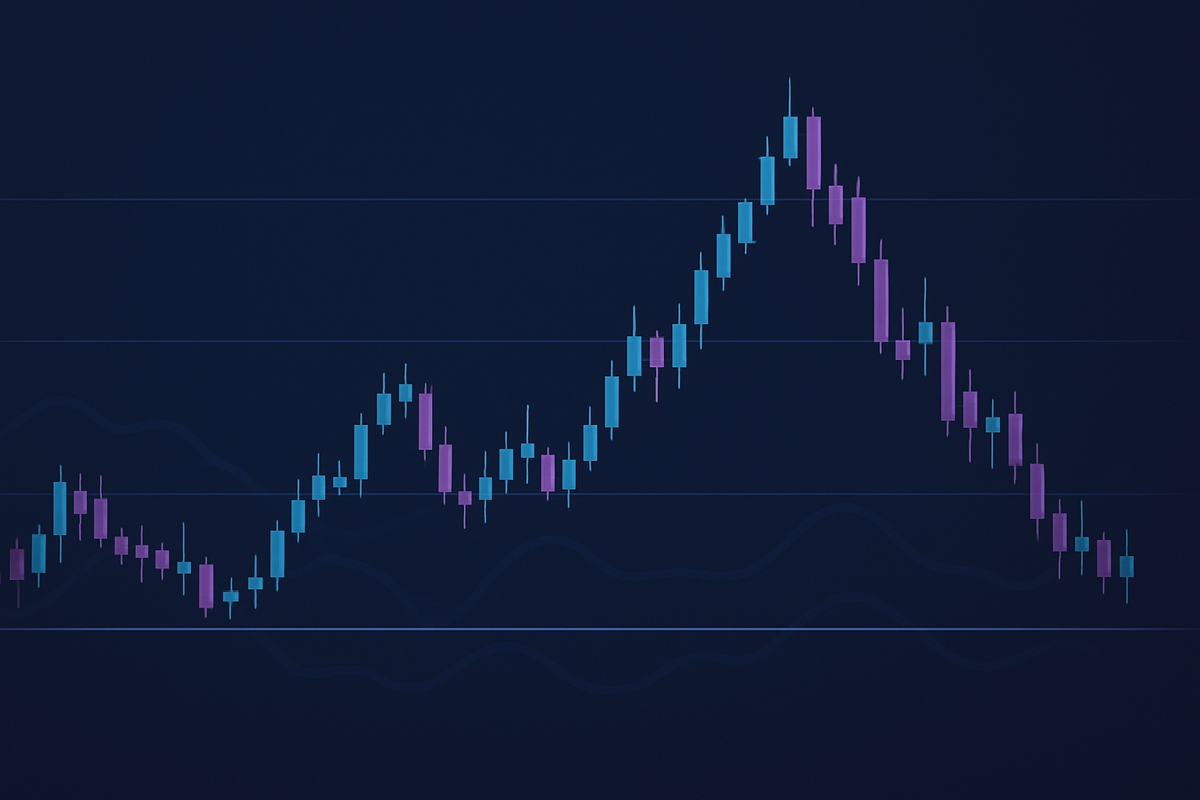
Technically, DBC is stuck in a tight range around $29.49. The ETF has been unable to break above $30 resistance for weeks, while support at $29.20 has held firm. RSI is neutral, hovering around 50, and moving averages have converged in classic mean-reversion fashion. Volume is anemic, suggesting traders are waiting for a catalyst. The next big move will likely come from a breakout in oil or a tariff-driven shock in metals. Until then, expect more rangebound chop.
The risk is that traders get lulled into complacency by the ETF’s lack of movement. A sudden shift in Middle East tensions, or a surprise from the Fed, could spark a sharp move. Watch for volume spikes as an early warning sign. If DBC breaks below $29.20, look for a quick move to $28.50. A breakout above $30 could trigger a chase to $31.50.
The bear case is straightforward: if the global economy slows, demand for commodities will fall, and DBC will finally break lower. But with so many crosscurrents, it’s just as likely that a supply shock sends the ETF ripping higher. The key is to stay nimble and watch the components, not just the headline price.
For traders, the opportunity is in the dispersion. Long/short strategies targeting specific commodities, long oil, short grains, or vice versa, are likely to outperform a simple ETF buy-and-hold. Options traders can look for cheap volatility plays, betting on a breakout from the current range. The ETF’s flatline is unlikely to last forever.
Strykr Take
This is the calm before the storm. DBC’s lack of movement is masking real volatility beneath the surface. Traders who pay attention to the underlying components, and who are ready to move when the next shock hits, will be the ones who profit. Don’t get lulled to sleep by the ETF’s flatline. The next move will be fast and violent. Position accordingly.
Sources (5)
Korea And Japan Worry Me More Than The Strait Of Hormuz
The Strait of Hormuz and its impact on the commodities prices are concerning. But in the end, I expect mostly near-term impacts.
Apollo's chief economist says he sees 'zero evidence' of AI-related job losses, even as CEOs cite the tech in layoffs
Apollo's chief economist said there's "zero evidence of AI-related job losses." A parade of tech leaders celebrated that take over the weekend.
The Internet Bubble's Most Important Lesson For AI Investors
A deeper dive into the Internet experience and what it may add to the recent 60 Minutes discussion of AI, market risk, and the lessons of history.
The Tech Tug-Of-War: U.S.-China Relations And The Race For Innovation
The Tech Tug-Of-War: U.S.-China Relations And The Race For Innovation
Major Companies Reconsider AI Costs
Chipmakers are by far the hottest stocks in the market, but their recent surge is lending urgency to the debate over whether investors are buying into